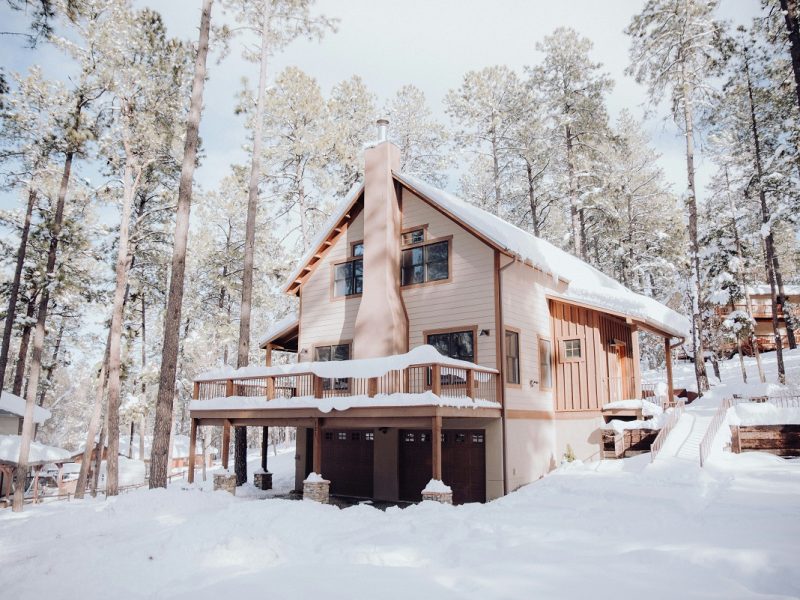
A well-maintained home is more than a comfortable living space; it’s a long-term investment in safety, efficiency, and property value. Every season brings unique challenges for homeowners, from weather-related damage to mechanical strain and moisture problems. Ignoring these seasonal needs can lead to expensive repairs, unexpected emergencies, and even health risks. Small maintenance tasks performed proactively prevent cascading issues, protect major systems, and enhance the home’s longevity.
Seasonal maintenance is about more than checking boxes; it’s about creating a structured, thoughtful approach to home care. By understanding which areas require attention and when, homeowners can plan inspections, schedule professional services, and perform preventive measures that reduce stress and cost over time.
Proper home maintenance also involves recognizing early warning signs of wear or failure, from cracked roof shingles and sagging gutters to leaky pipes and uneven fencing. Incorporating routine inspections, timely cleaning, and minor repairs can prevent minor issues from escalating into expensive, time-consuming problems. Homeowners who adopt a proactive mindset not only safeguard their property but also create a safer, healthier living environment for their families.
This guide offers actionable advice for maintaining both indoor and outdoor systems, covering structural, mechanical, and environmental components. From roof inspections to plumbing care, HVAC checks, pool maintenance, mold prevention, and more, these strategies help keep homes safe, efficient, and enjoyable year-round. By following these best practices, you can extend the life of your home’s key systems, protect your investment, and enjoy peace of mind knowing your property is prepared for every season.
Spring Maintenance for Exterior Systems
Spring is the ideal season for addressing damage from winter and preparing the home for heavier use throughout the year. Moisture, temperature fluctuations, and debris accumulation can quietly compromise structural elements if left unchecked. Early spring inspections help identify minor issues before they escalate, ensuring the home is ready for warmer weather and increased activity.
Start with a comprehensive property inspection, including walls, foundations, rooflines, drainage systems, and fencing. Beyond a visual check, look for small cracks, loose shingles, or pooling water near the foundation—issues that may worsen as spring rains begin. Don’t overlook hidden problem areas, such as beneath decks, around window wells, and near irrigation systems, where water and debris can accumulate.
Key Spring Maintenance Tasks:
- Inspect your fence for post movement, rot, or damage; repair or reinforce as necessary.
- Evaluate roofing shingles and flashing; address minor damage before it worsens.
- Clean gutters, downspouts, and drainage systems to prevent water overflow.
- Trim back tree branches near structures to prevent accidental damage.
- Examine outdoor decks, walkways, and retaining walls for cracks or shifting.
Proper grading is crucial. Ensure soil slopes away from the foundation to direct runoff, preventing basement leaks or erosion. Reseed bare patches and mulch planting beds to maintain healthy landscapes. Early spring attention to fences, rooflines, and drainage reduces the likelihood of expensive summer repairs, while proactive pruning and cleaning help preserve plant health and prevent pest infestations.
Spring Mechanical Inspections
Mechanical systems require inspection as usage increases with warming weather. HVAC units, wells, sump pumps, and plumbing systems are all susceptible to winter damage. Early spring maintenance prevents major breakdowns and improves energy efficiency. Checking for hidden issues, such as frozen pipes, debris in pump systems, or corrosion in well components, ensures systems operate smoothly as demand rises.
Mechanical Maintenance Checklist:
- Schedule AC repairs to ensure optimal cooling performance before summer.
- Test well systems for pressure consistency, sediment buildup, or unusual noises to see if you need well repair.
- Inspect plumbing for leaks, water pressure issues, and slow drainage.
- Replace HVAC air filters and clean air vents for improved airflow.
- Test sump pumps to ensure proper function during spring showers.
Spring inspections provide homeowners peace of mind, helping prevent sudden failures during high-demand periods. Proactive maintenance also reduces wear, extends equipment life, and can save money on costly emergency repairs. Regular monitoring, professional servicing, and attention to early warning signs not only enhance system reliability but also improve energy efficiency, ensuring a comfortable and safe home environment as warmer months approach.
Summer Home Checks for Comfort and Efficiency
High temperatures and extended use put added strain on both mechanical and outdoor systems in summer. AC units, pools, fencing, and decks endure constant use. Maintaining these components ensures comfort, safety, and efficiency. Regular inspections also help identify subtle issues caused by sun exposure, moisture, and frequent activity that could lead to costly repairs later.
Advanced Summer Tasks:
- Clear debris from outdoor AC units and condenser coils for optimal cooling.
- Replace HVAC filters to maintain indoor air quality.
- Service swimming pools with a local pool contractor to prevent leaks, malfunctioning pumps, or unsafe chemical levels.
- Inspect outdoor plumbing for leaks, dripping faucets, and irrigation system issues.
- Examine fences, gates, and outdoor structures for stability; reinforce or replace damaged sections.
Outdoor living spaces face heavy use in summer. Decks, patios, and pool areas require attention to prevent wear and enhance safety. Maintaining these areas improves usability and reduces long-term maintenance costs. Additionally, checking shading structures, outdoor lighting, and drainage systems ensures comfort and usability while minimizing heat-related wear and water damage throughout the season.
Summer Waterproofing and Moisture Prevention

Summer storms can expose weaknesses in waterproofing, basement integrity, and foundations. Standing water or blocked drainage can compromise structures, encourage mold growth, and increase pest activity. Even brief periods of pooling water can infiltrate cracks or erode soil around the foundation, creating long-term structural issues if left unchecked.
Moisture Prevention Tips:
- Schedule inspections with local waterproofing companies for basements, crawlspaces, and foundations.
- Ensure sump pumps are clear of debris and fully functional.
- Clean roof valleys, gutters, and downspouts to prevent overflow onto foundations.
- Inspect fence posts and gates for moisture damage, reinforcing where necessary.
- Apply sealants to areas prone to water intrusion to prolong durability.
Preventing moisture issues in summer ensures your home withstands heavy rains, protects foundations, and keeps indoor spaces dry and safe. Additionally, checking for hidden water accumulation near outdoor decks, walkways, and landscaping beds helps prevent erosion, mold growth, and insect infestations, safeguarding both the structure and livable spaces. Proactive intervention reduces future repair expenses and maintains property value while keeping your home comfortable during peak summer months.
Fall Preparation for Winter Protection
Fall is essential for preparing the home for cold weather, ice, and snow. Failing to address minor fall issues can escalate into costly winter emergencies. Focus on roofing, waterproofing, and structural integrity. Fall is also the perfect time to check mechanical systems and outdoor structures before harsh weather limits accessibility, ensuring that your home is safe and energy-efficient.
Fall Readiness Tasks:
- Clear gutters and install leaf guards to prevent blockages.
- Schedule roof repair services with a local roofer to fix damage before snow accumulation.
- Inspect fences for loose posts or warped panels; secure and repair as needed.
- Seal cracks in the foundation and check drainage systems to prevent frost damage.
- Examine garage doors and weatherstripping to retain warmth and maintain security.
Proper preparation reduces energy costs, prevents water damage from ice, and ensures the home remains functional and comfortable throughout winter. Additionally, inspecting insulation, vents, and outdoor lighting helps protect against cold-related inefficiencies and enhances safety, giving homeowners confidence that their property is ready for the season ahead.
Winter Maintenance for Indoor Systems
Cold temperatures increase strain on mechanical systems and highlight hidden issues. Frozen pipes, drafts, and excess moisture can cause property damage if left unaddressed. Winter is also a critical time to assess older equipment and verify that emergency systems are fully operational, ensuring homeowners can rely on their systems during extreme weather.
Winter Indoor Maintenance Tasks:
- Perform AC repairs if combined with heat pump systems to ensure balanced indoor temperatures.
- Inspect plumbing for potential freeze points in exposed or exterior walls.
- Test sump pumps and waterproofing measures to prevent basement flooding.
- Maintain humidity levels and ventilation to reduce the risk of mold growth.
- Check insulation around plumbing, attics, and crawlspaces to retain heat efficiently.
Doing maintenance for the winter helps avoid emergencies, reduces repair costs, and ensures that homes remain comfortable and safe despite harsh weather conditions. Additionally, reviewing thermostat settings, monitoring energy usage, and performing small preventive repairs on water heaters and HVAC systems improve efficiency and prevent mid-winter breakdowns.
Plumbing and Water System Care

Plumbing issues are some of the costliest problems homeowners face. Regular inspections and maintenance help prevent leaks, water damage, and health risks.
Key Plumbing Practices:
- Inspect pipes, faucets, and connections seasonally for leaks.
- Service wells and pressure systems to maintain a consistent water supply.
- Schedule annual checks with a local plumbing company for preventive care.
- Install or inspect backflow prevention devices to protect drinking water.
- Flush water heaters annually to reduce sediment buildup and improve efficiency.
Preventive plumbing maintenance reduces costly emergencies and ensures your home has reliable water flow throughout the year.
Garage, Doors, and Safety Systems
Garage doors are often overlooked but play a key role in home security and convenience. Regular maintenance keeps mechanical systems functioning smoothly.
Garage and Safety Tips:
- Test automatic garage door openers and sensors for proper operation.
- Inspect door tracks, springs, and hinges; lubricate moving parts as needed.
- Check exterior doors for proper sealing to prevent drafts.
- Ensure locks and hardware are secure and functional.
- Schedule repairs with a garage repair service to address worn or damaged components.
Regular maintenance improves home safety and prevents costly emergency repairs during extreme weather.
HVAC and Climate Control
Climate control systems are critical for comfort and energy efficiency. Seasonal servicing ensures optimal performance and prevents unexpected breakdowns.
HVAC Tips:
- Schedule AC repairs or maintenance before peak summer months.
- Replace filters regularly to maintain airflow and indoor air quality.
- Inspect ductwork for leaks and improve insulation where necessary.
- Schedule heating system checks in the fall to prepare for winter.
- Ensure proper refrigerant levels and inspect thermostats for accurate temperature control.
Well-maintained HVAC systems reduce energy costs, prevent emergencies, and enhance indoor comfort year-round.
Mold Prevention and Indoor Air Quality
Moisture accumulation leads to black mold growth, which can damage property and affect health.
Mold Prevention Tips:
- Schedule black mold remediation if signs of contamination appear.
- Maintain humidity between 30-50% in living spaces.
- Use exhaust fans in kitchens, bathrooms, and laundry areas.
- Check basements and crawlspaces for moisture and leaks.
- Inspect roof and gutter systems for potential water intrusion.
Maintaining dry, ventilated spaces protects structures and occupant health, preventing long-term remediation costs.
Comprehensive Seasonal Checklist

Homeowners benefit from a structured annual maintenance schedule covering all systems:
- Inspect fences and perform repairs.
- Check roofs, flashing, and gutters; schedule roof repair as needed.
- Test plumbing, wells, and sump pumps.
- Schedule HVAC maintenance, AC repairs, and filter changes.
- Inspect waterproofing systems for leaks or cracks.
- Service pools and outdoor equipment with local pool contractors.
- Conduct black mold inspections and remediation if necessary.
- Maintain garage doors and safety systems.
Adding seasonal inspections for windows, insulation, and exterior paint can further protect the home from weather-related damage. Tracking completed tasks and scheduling recurring inspections ensures no area is overlooked. Coordinating with local professionals for specialized repairs or assessments enhances efficiency and guarantees high-quality work. Following a detailed checklist ensures a proactive approach to home maintenance, protecting investments, safety, and comfort while extending the life of key systems and preventing costly emergency repairs.
Proactive seasonal maintenance preserves home comfort, safety, and long-term value. By addressing structural, mechanical, and environmental systems, homeowners prevent emergencies, reduce costs, and maintain efficiency. From spring through winter, inspecting and repairing fences, roofs, plumbing, HVAC, pools, and mold issues ensures a safe and comfortable living environment. Regular attention to both indoor and outdoor areas minimizes wear and extends the lifespan of critical components, allowing systems to perform optimally year-round.
Structured maintenance schedules, regular inspections, and professional guidance create resilience against wear, weather, and unexpected damage. Each preventive action, whether simple or comprehensive, contributes to safety, energy efficiency, and stress reduction. Moreover, maintaining a consistent maintenance routine builds awareness of potential issues, allowing homeowners to respond proactively rather than reactively. Seasonal checklists also help prioritize tasks, allocate resources effectively, and coordinate with professionals for specialized services. By taking a proactive approach to seasonal home care, you foster a home that is not only visually appealing but also reliable, energy-efficient, and secure. Ultimately, thoughtful maintenance ensures your property supports your family’s lifestyle, preserves investment value, and provides lasting peace of mind for years to come.