A bathroom renovation can dramatically improve how your home looks and functions, but it is also one of the easiest projects to underestimate. Bathrooms are small, yet they combine plumbing, electrical work, ventilation, waterproofing, storage, and finish choices in one tight space. That means small mistakes can become expensive fast.
The most successful remodels usually are not the most expensive ones. They are the ones planned carefully from the start. When homeowners take time to think through layout, budget, materials, and the right professionals, the project runs more smoothly and the results tend to last longer. Whether you are updating a guest bath or reworking your primary bathroom, it helps to know what matters most before demolition begins.
Set Your Budget Around Priorities First
Before choosing finishes, decide what this project is supposed to accomplish. Some homeowners want a cosmetic bathroom remodel that updates old surfaces and fixtures without changing the basic layout. Others need a more involved bath remodel that solves storage problems, improves function, or reworks plumbing and shower space.
That distinction matters because the cost difference can be significant. Cosmetic updates may include paint, lighting, faucets, flooring, and a vanity replacement. A larger project may involve moving plumbing, replacing damaged subflooring, upgrading ventilation, or expanding the shower.
A practical budget usually includes:
- Demolition and disposal
- Plumbing and electrical work
- Flooring and wall finishes
- Vanity and storage
- Shower or tub upgrades
- Fixtures and lighting
- Paint and trim
- A contingency fund for hidden problems
That last category is important. Bathrooms often hide water damage, mold, outdated wiring, or framing issues behind walls and under floors. A project feels much more manageable when you expect a few surprises instead of assuming everything will go exactly as planned.
It also helps to separate must-haves from nice-to-haves. Better ventilation, easier storage, and a more usable shower often improve daily life more than trendy design details. When your budget reflects how you actually use the room, the end result usually feels smarter and more satisfying.
Hire The Right Team Before Picking Finishes

The people you hire will have a huge effect on the success of the project. Good bathroom remodeling contractors do more than install materials. They help spot layout problems, moisture risks, and code-related issues before those problems become expensive mistakes.
For smaller projects, you may be comparing specialized bathroom remodeling contractors with broader home remodeling contractors. A specialist may be especially helpful when waterproofing, shower layout, and bathroom-specific details are central to the project. A general remodeling team can be useful when the work touches nearby rooms, structural changes, or older-house issues beyond the bathroom itself.
Before hiring anyone, check:
- Licensing and insurance
- References and online reviews
- Experience with similar projects
- Communication style
- Written estimates and scope of work
- Who will manage the project daily
You also want clarity on whether subcontractors will be used and how scheduling will be handled. A strong contractor should be able to explain the sequence of work, point out likely problem areas, and answer questions without being vague or defensive.
Choosing the right team early can prevent a lot of frustration later. A beautiful tile choice will not rescue a remodel that was poorly managed from the start.
Finalize The Layout Before Falling For Materials
Layout decisions shape the entire project. Homeowners often get excited about finishes before they have really solved how the room should function. That can lead to awkward spacing, limited storage, or a shower that looks great but feels cramped.
This is especially true in bathroom shower remodeling. Once you start changing shower size, drain position, door swing, or wall placement, the layout affects plumbing, cost, and daily comfort. Even small shifts can change how open or usable the bathroom feels.
Think through the room as you actually use it. Ask yourself:
- Is there enough space in front of the vanity?
- Does the bathroom door interfere with anything?
- Will multiple people use the room at once?
- Is the toilet placement comfortable and private enough?
- Does the shower entry feel easy and practical?
Moving plumbing usually increases labor costs, so it is worth deciding early whether the improved layout is worth the added expense. Sometimes keeping major fixtures in roughly the same place allows more of the budget to go toward better materials or storage.
The best design decisions usually come from function first. Once the layout works, the finish selections become much easier.
Plan Storage More Carefully Than You Think

Storage is one of the biggest sources of bathroom regret. A room can look clean and luxurious in photos but become frustrating fast if everyday items have nowhere to go. Before finalizing the design, think about what you use every day and where it will live.
Custom bathroom cabinets can be especially useful in bathrooms with awkward dimensions, tight corners, or specific storage needs. They can help maximize vertical space, create cleaner organization, and make the room feel more tailored to your routine.
Consider planning for:
- Deep drawers instead of hard-to-reach lower shelves
- Storage for hair tools and everyday products
- A place for backup toiletries and cleaning supplies
- Towel storage that does not crowd the room
- Drawer dividers or internal organizers
- Electrical access inside a vanity if needed
This part of the design is easy to overlook because it is less flashy than tile or fixtures. But good storage improves the room every single day. It also helps the bathroom stay cleaner and feel less cluttered, which can make even a modest remodel feel more high-end.
Choose Surfaces For Durability, Not Just Looks
Bathrooms are tough on materials. Humidity, splashing water, cleaning products, and daily wear all affect how surfaces perform over time. That is why it is worth choosing materials based on maintenance needs as well as appearance.
Visiting a tile store in person can be much more helpful than browsing online. Photos often do not show texture, variation, slip resistance, or how a material looks under different lighting. Seeing samples in person makes it easier to compare options and avoid surprises.
It is also smart to coordinate early with countertop installers so sink cutouts, faucet holes, backsplash details, and edge profiles are finalized before fabrication begins. Last-minute changes in those areas can delay the project and increase costs.
When comparing materials, think about:
- How slippery the flooring may be when wet
- How much grout maintenance you are willing to do
- Whether the countertop resists staining and moisture
- How easy the surface is to clean
- Whether the finish fits the bathroom’s lighting
A surface that looks great on day one but is difficult to maintain may become a long-term frustration. Durable, easy-care materials usually pay off more than dramatic choices that require constant upkeep.
Treat The Shower As A Full System

A shower remodel is about far more than attractive tile. In bathroom shower remodeling, the real success of the space depends on waterproofing, drainage, ventilation, cleaning access, and layout details that many homeowners do not think about until too late.
A custom glass shower enclosure can make the room feel more open and polished, but it also comes with practical questions. You need to think about door swing, hardware quality, cleaning effort, water spotting, and how the enclosure works with the rest of the layout.
Before finalizing the shower design, plan for:
- Waterproofing behind the tile
- Proper floor slope for drainage
- Niche placement for products
- Easy entry and exit
- Lighting inside or near the shower
- Future needs such as grab-bar blocking
A shower can be visually stunning and still be annoying to use if the details are off. A bench in the wrong place, a door that swings awkwardly, or poor drainage can reduce the value of the upgrade fast. The best shower spaces are the ones that feel easy, comfortable, and simple to maintain.
Do Not Treat Paint And Lighting As Afterthoughts
Finishing details have a huge effect on how the bathroom looks when everything is done. Lighting influences how colors read, how functional the vanity area feels, and whether the room feels warm or harsh. Paint affects moisture resistance, visual contrast, and the final sense of polish.
Professional painting services can be worth considering in bathrooms because cut lines, surface prep, and product choice matter more in high-moisture spaces. Good paint work can make cabinetry, trim, and wall finishes look cleaner and more intentional.
A strong lighting plan should usually include:
- Task lighting at the mirror
- General ambient lighting
- Accent lighting if the room is larger
- Enough brightness without harsh glare
Paint and lighting should be coordinated with the tile, vanity color, countertop, and hardware finishes. This is one reason bathrooms sometimes look underwhelming at the end of a remodel: the major materials were chosen carefully, but the final layers were rushed.
These details may seem small compared with plumbing or tile work, but they strongly shape how finished the room feels.
Expect Hidden Problems Once Demolition Starts
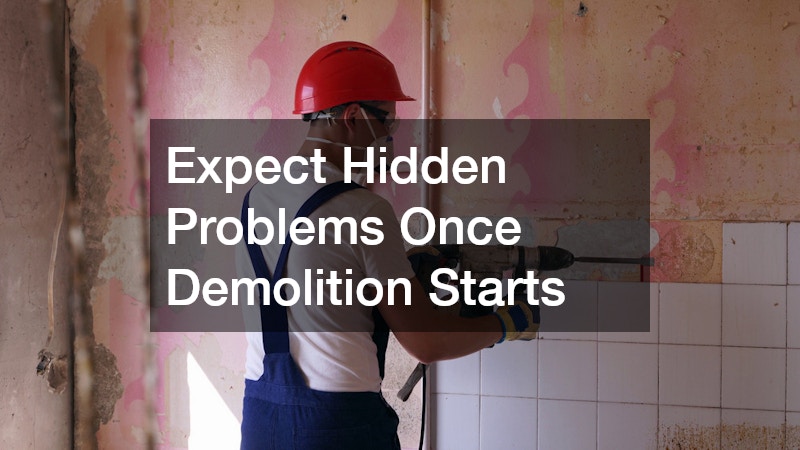
Even well-planned projects can change once the old bathroom is opened up. This is one reason homeowners should stay flexible on both budget and timeline. Demolition often reveals issues that were impossible to confirm in advance.
A bathroom remodel may uncover:
- Water damage around the shower or toilet
- Mold or rot behind walls
- Outdated wiring
- Plumbing that needs updating
- Improper venting
- Uneven subfloors or framing issues
This is where experienced home remodeling contractors can be especially helpful, because the problem may extend beyond the bathroom finishes themselves. Hidden issues do not always mean disaster, but they usually do mean decisions have to be made quickly and sensibly.
Ask ahead of time how change orders will be handled and how unexpected work will be priced. That conversation is much easier before demolition than in the middle of a stressful surprise. When you plan for a little uncertainty, the whole project feels more manageable.
Build More Time Into The Schedule Than You Think You Need
Bathroom projects often take longer than homeowners expect. Even when the room is small, the work tends to happen in stages, and many of those stages depend on the previous one being fully complete.
Bathroom remodeling contractors often need to coordinate demolition, framing, plumbing, electrical work, inspections, waterproofing, tile installation, cabinetry, countertop fabrication, painting, and finish installation in sequence. A delay in one stage can affect everything after it.
Countertop installers and other specialty trades may also work on lead times that need to be planned well in advance. Custom items, glass, and fabrication work can all stretch the schedule if materials are not ordered early.
It helps to prepare for:
- Delivery delays
- Inspection timing
- Material backorders
- Small corrections at the end of the job
- Limited access if it is the home’s main bathroom
A more realistic timeline reduces stress and helps you make better decisions during the process. It is much easier to deal with delays when you expected some flexibility from the start.
Think About Long-Term Value, Not Just The Reveal
A finished bathroom should still work well years from now, not just on the day the project is photographed. That means balancing style with durability, maintenance, and future needs.
Features like custom bathroom cabinets can improve both usefulness and resale appeal when they are designed thoughtfully. A custom glass shower enclosure can add a clean, upscale look, but it should also be practical for cleaning and daily use. Not every upgrade that looks luxurious is the right fit for every household.
As you make final decisions, think about:
- How easy the materials are to clean
- Whether the design will feel dated quickly
- Accessibility for future needs
- Storage that still works as routines change
- Which splurges actually improve daily life
The most successful remodels usually combine timeless core choices with a few personal details that are easy to update later. That approach helps the room stay appealing and functional without locking you into trends that may fade fast.
Bathroom remodeling goes more smoothly when you understand the decisions that matter before the work begins. A strong plan, a realistic budget, a functional layout, and the right professionals can prevent many of the most common frustrations.
The best results usually come from focusing on how the room needs to work every day, not just how it should look in inspiration photos. When storage, durability, lighting, and practical layout all come together, the finished space feels better to use and easier to maintain.
A thoughtful remodel is rarely about doing the most. It is about making smart choices that improve comfort, function, and long-term value.