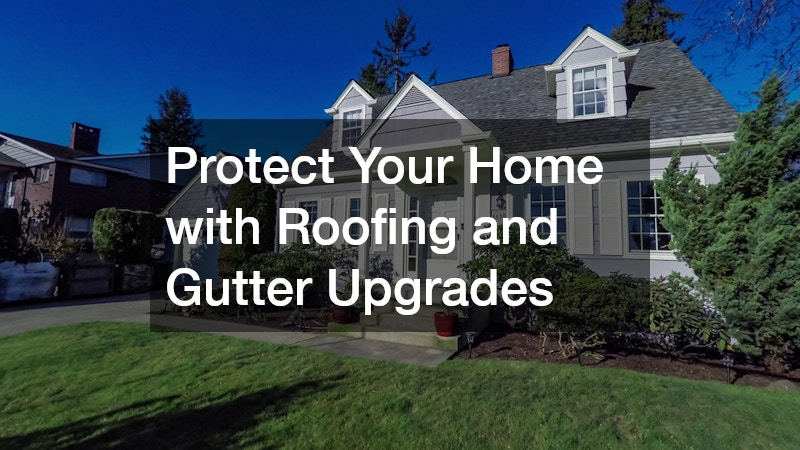
Your home’s exterior is its first line of defense against the elements. From heavy rain and high winds to falling debris and seasonal wear, your roof and gutter system quietly protect everything beneath them. Yet many homeowners overlook small issues until they turn into expensive problems. Small vulnerabilities can go unnoticed for months, slowly weakening the structure over time. Staying informed about these systems helps you take control before damage escalates.
Upgrading these critical components isn’t just about fixing damage—it’s about preventing it. With the right improvements, you can extend the life of your home, reduce maintenance headaches, and even increase property value. This guide walks you through practical, actionable ways to strengthen your home using smart upgrades and informed decisions.
How to Spot Early Warning Signs Before Major Damage
Catching problems early can save thousands of dollars and prevent structural damage. Most major issues don’t happen overnight—they start small and worsen over time. By learning what to look for, homeowners can take action before minor wear turns into costly repairs. Developing a habit of routine visual checks can make a significant difference in early detection. Even a quick inspection after a storm can reveal issues that need immediate attention.
Exterior signs to watch for
Walk around your home and look for:
- Curling, cracked, or missing shingles
- Dark streaks or algae growth
- Sagging sections along the roofline
- Loose flashing around chimneys or vents
These are often the first indicators that residential roofing systems are beginning to fail.
Interior warning signs
Problems often show up inside before you notice them outside:
- Water stains on ceilings or walls
- Musty odors in the attic
- Peeling paint near the roofline
- Sudden increases in energy bills
Quick homeowner inspection checklist
- Check your attic after heavy rain
- Look for daylight coming through the roof boards
- Inspect insulation for damp spots
- Monitor gutters for excessive shingle granules
Why early action matters
Ignoring these signs can lead to more extensive roof repairs later. A small leak today can turn into rotted decking, mold growth, or insulation damage within months. Taking early action protects both your home’s structure and your long-term budget.
When It’s Time to Replace Instead of Repair
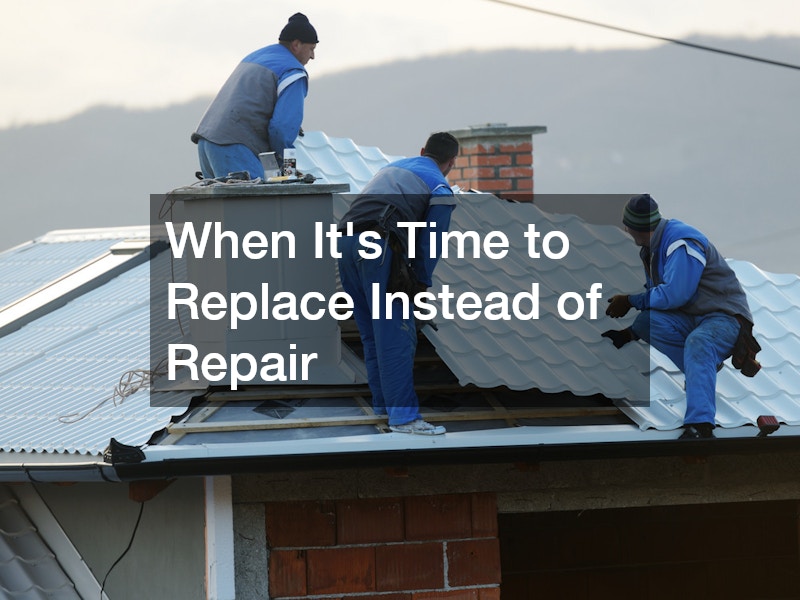
Not every issue can—or should—be fixed with a quick patch. Over time, repeated fixes can add up and still fail to address underlying problems. Knowing when to invest in a full upgrade can save money and prevent ongoing frustration. Homeowners often delay replacement due to cost concerns, but postponing can lead to more extensive damage. Making timely decisions ensures your home remains protected without unnecessary expenses.
Signs your roof may need replacement
- It’s over 20–25 years old
- Widespread shingle damage
- Frequent leaks despite repeated fixes
- Visible sagging or structural concerns
When repairs are no longer enough
If you’re calling a roofing service multiple times a year, it’s often more cost-effective to invest in a full replacement. Persistent issues usually signal deeper structural wear that repairs alone won’t solve.
Indicators that your gutters are failing
- Cracks, rust, or holes
- Water is pooling near the foundation
- Gutters pulling away from the house
- Overflow during moderate rain
These are strong signs that gutter replacement is necessary.
Cost vs. value
While replacement has a higher upfront cost, it often eliminates recurring repair expenses and improves overall home protection. Investing in upgrades now can prevent far more expensive damage down the road.
Choosing the Right Professionals for the Job
The success of your project depends heavily on the professionals you hire. Experienced experts can identify hidden issues, recommend the right solutions, and complete the job safely and efficiently. Taking time to vet your options ensures better results and fewer complications. A reliable team will also communicate clearly throughout the process, helping you feel confident in your decisions. Choosing wisely at this stage can prevent costly mistakes later.
What to look for in a contractor
- Proper licensing and insurance
- Strong local reputation
- Verified customer reviews
- Clear, written estimates
Questions to ask before hiring
- How long have you been in business?
- Do you offer warranties on labor and materials?
- Can you provide references from recent projects?
- What is your timeline for completion?
Understanding your options
Independent roofing contractors may offer more personalized service, while larger roofing companies often have more resources and faster turnaround times. Both options can be effective depending on your project size and needs.
Red flags to avoid
- High-pressure sales tactics
- Unusually low bids
- Lack of written contracts
- Requests for full payment up front
Choosing reliable professionals helps ensure your investment delivers lasting results and peace of mind.
Smart Gutter Upgrades That Reduce Maintenance
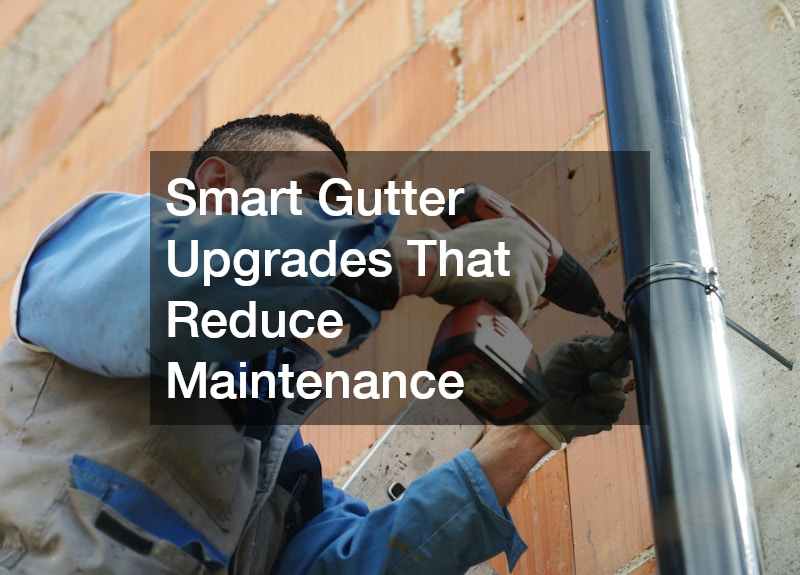
Upgrading your gutter system is one of the most effective ways to protect your home from water damage. Modern solutions are designed to improve drainage, reduce clogs, and minimize maintenance. These improvements can make a noticeable difference in both performance and convenience. Investing in updated systems can also help prevent long-term issues like foundation damage. Homeowners who upgrade early often experience fewer repairs and less stress over time.
Benefits of modern gutter systems
- Improved water flow and drainage
- Reduced clogs from leaves and debris
- Better protection for siding and foundation
Why gutter guards are worth considering
Gutter guard installation helps prevent debris buildup and reduces how often you need to clean your gutters. This upgrade is especially useful for homes surrounded by trees or in areas with heavy seasonal debris.
Types of gutter guards
- Mesh screens for basic debris protection
- Reverse curve systems for high performance
- Foam inserts for easy installation
Maintenance tips after upgrades
- Inspect guards twice a year
- Check for buildup after storms
- Ensure downspouts remain clear
Pairing these upgrades with gutter replacement can create a more efficient system that lasts longer and performs better.
Roofing Materials That Offer Long-Term Protection
Selecting the right materials is a key part of any exterior upgrade. The right choice can improve durability, energy efficiency, and overall appearance. Understanding your options helps you make a decision that fits both your budget and your environment. Each material offers different benefits, so it’s important to evaluate your priorities carefully. Making an informed choice ensures your home remains protected for years to come.
Common material options
- Asphalt shingles: affordable and widely used
- Metal roofing: durable and energy-efficient
- Tile roofing: long-lasting with a distinctive look
- Composite materials: modern and versatile
How to choose the right option
Consider factors like climate, long-term maintenance needs, and overall cost. Homes in extreme weather conditions may benefit from more durable materials that can withstand heavy wear.
Energy efficiency matters
Some materials reflect sunlight and reduce heat absorption, helping lower cooling costs. This can make a noticeable difference in your home’s energy bills over time.
Working with professionals
A trusted roofing service can guide you through material selection and help you understand the benefits of each option. Making the right choice now ensures better performance and fewer issues later.
Planning Roof Improvements in HOA Communities
Living in a managed community often means following specific rules when making exterior changes. These guidelines are designed to maintain a consistent appearance across properties. Understanding the process ahead of time can help you avoid delays and complications. Preparing your documentation early can streamline approvals and prevent unnecessary back-and-forth. Being proactive also helps ensure your project stays on schedule.
Understanding HOA guidelines
- Review community rules and restrictions
- Check approved materials and colors
- Understand application timelines
Steps to get approval
- Submit detailed project plans
- Include contractor credentials
- Provide material samples if required
Why experience matters
An experienced HOA roofing contractor understands how to navigate approval processes and meet community standards. Their expertise can make the process smoother and more efficient.
Coordinating your project
Working with knowledgeable roofing contractors helps ensure timelines align with approvals and that all requirements are met. Proper coordination prevents unnecessary setbacks.
What to Do After Fire or Severe Damage
Unexpected events like fires or severe storms can cause significant damage to your home. Acting quickly and carefully is essential to protect your property and ensure safety. Knowing what steps to take can make the recovery process more manageable. Staying calm and organized during these situations can help you avoid costly mistakes. Having a plan in place ahead of time can also speed up recovery.
First steps after damage
- Ensure safety and evacuate if necessary
- Contact emergency services if needed
- Document damage for insurance purposes
Professional assessment
Fire damage services evaluate structural integrity, identify hidden issues, and determine what can be restored. Their expertise is crucial in creating a safe and effective recovery plan.
Repair and restoration process
- Remove damaged materials
- Reinforce structural components
- Complete necessary roof repairs
Insurance considerations
Filing claims promptly and keeping detailed records can speed up the process. Working with experienced professionals helps ensure repairs are completed correctly and efficiently.

Upgrading Roofing for Commercial or Multi-Use Properties
Larger properties require a different approach to exterior upgrades. These buildings often have unique structural needs and more complex systems. Planning carefully ensures durability and long-term performance. Property owners must consider both functionality and compliance when making upgrades. A well-executed plan can improve efficiency and reduce long-term maintenance costs.
Key differences in systems
- Flat or low-slope designs
- Specialized materials like TPO or EPDM
- Larger surface areas require detailed planning
When to seek specialized help
A commercial roofing company is best equipped to handle large-scale projects and complex installations. Their expertise ensures proper design and compliance with building codes.
Common upgrade options
- Reflective coatings for energy efficiency
- Reinforced membranes for durability
- Improved drainage systems
Managing large projects
Established roofing companies often provide project management support and coordinated teams. This helps ensure projects are completed on time and within budget.
Budgeting and Financing Your Roofing and Gutter Project
Planning your budget is a critical step in any home improvement project. Understanding costs and available options helps you make informed decisions. A well-planned budget reduces stress and keeps your project on track. Taking time to compare estimates can also help you find the best value. Being financially prepared allows you to move forward with confidence.
Typical cost factors
- Size and complexity of the project
- Material selection
- Labor and installation time
- Accessibility of your roof
Financing options
- Home improvement loans
- Contractor payment plans
- Insurance coverage for damage-related work
Prioritizing upgrades
Focus first on areas that pose immediate risks or show signs of significant wear. Addressing urgent issues early helps prevent more expensive problems later.
Long-term savings
Investing in quality improvements, including gutter guard installation and a reliable roofing service, can reduce maintenance costs and improve efficiency. Over time, these upgrades often pay for themselves.
Preventive Maintenance Plan to Extend Lifespan
Routine maintenance is the key to getting the most out of your home’s exterior systems. Regular inspections and small fixes can prevent major issues from developing. A proactive approach helps protect your investment year after year. Consistency is what makes maintenance effective over time. Even small efforts can significantly extend the life of your home’s systems.
Seasonal maintenance checklist
Spring:
- Inspect for winter damage
- Clean gutters and downspouts
Summer:
- Check for heat-related wear
- Inspect attic ventilation
Fall:
- Remove leaves and debris
- Prepare for heavy rain
Winter:
- Watch for ice dams
- Monitor for leaks
When to call professionals
Scheduling inspections with roofing contractors at least once a year ensures hidden issues are caught early. Professional evaluations add an extra layer of protection.
Simple habits that make a difference
- Keep nearby trees trimmed
- Check for standing water after storms
- Address minor issues immediately
Extending system lifespan
Consistent care can delay the need for major upgrades like gutter replacement and significantly extend the life of your home. Small efforts over time lead to lasting protection and peace of mind.
Take Action Now to Protect Your Home
Protecting your home starts with awareness and ends with action. By staying proactive, making smart upgrades, and committing to regular maintenance, you can avoid costly surprises and keep your property in excellent condition. Every step you take today contributes to a stronger, more resilient home. Prioritizing these improvements ensures long-term comfort and security for you and your family.
Every improvement you make today strengthens your home for the future. Whether you’re addressing small issues or planning major upgrades, taking the next step now ensures your home remains safe, efficient, and built to last.