A small drip, a hairline crack, or a door that won’t quite latch might seem too minor to worry about today. Left unattended, though, these tiny issues have a way of snowballing into five-figure repair bills and stressful emergency calls in the middle of the night. The good news is that most home disasters give warning signs long before they happen, and a strategic maintenance routine can catch them early. This guide walks through the key areas of your home where preventive attention pays off the most, so you can protect your investment and your peace of mind.
Inspecting Your Home’s Exterior Shell Before Small Cracks Become Big Problems
Your home’s exterior surfaces take a beating from sun, rain, and temperature swings all year long, and stucco is particularly prone to hairline cracking that lets moisture sneak behind the surface. Once water gets trapped, it can rot framing, feed mold growth, and weaken the structural sheathing without any visible sign until the damage is extensive. Walking your property twice a year to check for cracks, discoloration, or soft spots is one of the simplest habits a homeowner can build.
If you notice cracking wider than a hairline, bubbling paint, or a hollow sound when you tap the surface, it is time to bring in local stucco contractors before the next storm season. Professionals can assess whether the issue is cosmetic or a sign of deeper moisture intrusion, and catching it early is dramatically cheaper than a full re-stucco job later.
- Check for cracks around windows, doors, and corners where stress concentrates
- Look for dark staining or streaking that suggests water is tracking behind the surface
- Press gently on suspicious areas to feel for softness or give
- Schedule a professional inspection every two to three years even without visible damage
Keeping Entryways Secure and Fully Functional
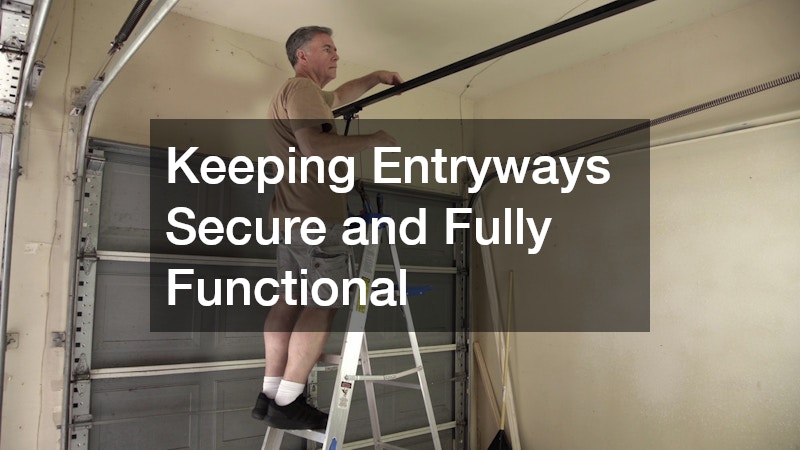
The doors you use every day are constantly exposed to weather, foot traffic, and the wear of daily locking and unlocking. An entry door that has started to warp, stick, or let in drafts is not just an annoyance; it is a security and energy efficiency problem waiting to worsen. Testing the seal, hinges, and locking mechanism seasonally helps you catch misalignment before it turns into a door that won’t close at all.
Sliding glass doors deserve their own attention because their tracks and rollers collect dirt and debris that eventually causes the door to jump the track or jam shut. Regular sliding door repair, even something as simple as cleaning the track and lubricating the rollers, keeps these doors gliding smoothly and prevents a stuck door from becoming a safety hazard during an emergency exit. Neglecting this maintenance often leads to a much larger repair when the frame itself becomes damaged from forcing a stuck door.
- Vacuum and wipe down sliding door tracks every few months
- Check weatherstripping on entry doors for gaps or wear
- Test deadbolts and strike plates for smooth, snug operation
- Apply silicone-based lubricant to hinges and rollers, avoiding oil-based products that attract grit
Understanding When Wiring Issues Signal a Bigger Risk
Electrical problems rank among the most dangerous home emergencies because they can smolder unnoticed inside walls until a fire breaks out. Flickering lights, warm outlets, or a breaker that trips repeatedly are not quirks to ignore, they are your home’s way of flagging a deeper wiring issue. Licensed electricians can perform a full panel inspection and identify overloaded circuits or outdated wiring long before it becomes a hazard.
Homes built more than a few decades ago are especially worth a professional review, since older wiring was never designed for the number of devices modern households run simultaneously. A routine electrical inspection every three to five years is a small investment compared to the cost of fire damage or a full rewiring job done in a rush.
- Watch for discolored outlets or a persistent burning smell
- Note if lights dim when large appliances turn on
- Avoid daisy-chaining multiple power strips on one outlet
- Have any DIY wiring work reviewed by a licensed professional
Maintaining Comfort Systems Before Extreme Weather Hits
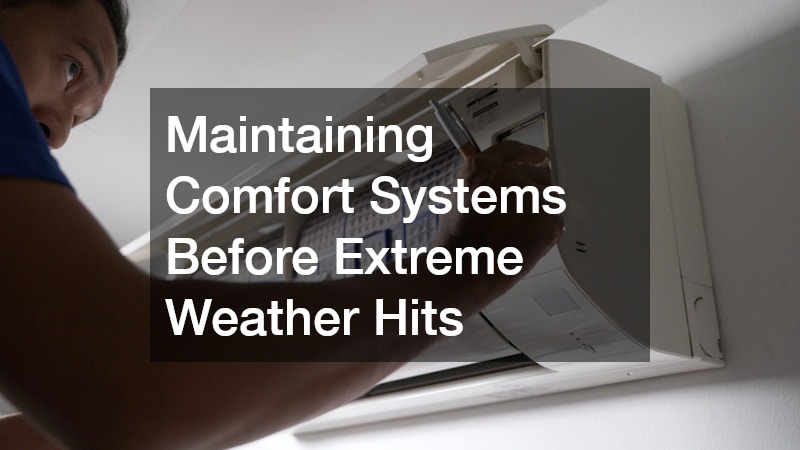
Nothing turns a hot afternoon into a genuine emergency faster than a cooling system that quits without warning. Routine air conditioning repair and maintenance, including filter changes and coil cleaning, keeps your system running efficiently and extends its lifespan significantly. Waiting until the unit fails completely almost always costs more than addressing minor performance issues early in the season.
A system that is cycling too often, blowing warm air intermittently, or making unusual noises is telling you something is wrong well before a full breakdown. Scheduling a professional tune-up each spring, before the peak demand season begins, gives technicians time to order parts and make repairs without the added pressure of a heat wave.
- Replace air filters every one to three months depending on usage
- Clear debris and vegetation away from outdoor condenser units
- Listen for grinding, rattling, or hissing sounds during operation
- Book seasonal tune-ups before temperatures spike
Building a Reliable Emergency Access Plan for Your Home
Lockouts and broken locks tend to happen at the worst possible times, whether it is late at night or during a family gathering when someone loses a key. Having the contact information for a trusted 24 7 locksmith saved in your phone before an emergency happens saves you from scrambling during an already stressful moment. It also means you are not forced to choose the first available service under pressure, which can lead to overpaying or subpar work.
Beyond emergency access, periodic lock maintenance prevents many lockouts from happening in the first place. Sticky or misaligned locks are often an early sign of a door that has shifted slightly on its frame, and addressing that early avoids a full lock or door replacement down the road.
- Save a vetted locksmith contact in your phone before you need one
- Rekey locks after moving into a new home or losing a key
- Lubricate lock cylinders annually to prevent sticking
- Replace worn keys before they snap off inside the lock
Protecting Your Home’s Surfaces From Weather Damage
Exterior paint does more than keep your home looking fresh; it forms a protective barrier against moisture, UV rays, and pests. When paint starts to peel, crack, or fade unevenly, the underlying wood or siding is left exposed and vulnerable to rot. Scheduling house painting on a reasonable cycle, generally every five to ten years depending on climate, protects the structure underneath far more than it improves curb appeal alone.
Trim, fascia boards, and areas around windows tend to fail first because they take on more direct water exposure. Addressing these smaller trouble spots with touch-up work between full repaint jobs can significantly extend the life of your exterior finish and prevent costly wood replacement later.
- Inspect south and west-facing walls first, since they absorb the most sun damage
- Look for chalky residue on the surface, a sign the paint is breaking down
- Address peeling around windows and doors promptly to prevent water intrusion
- Choose high-quality exterior paint rated for your specific climate
Managing Trees and Landscaping Before Storm Season

Mature trees add tremendous value and shade to a property, but overgrown branches or weakened root systems can turn into a serious liability during high winds or heavy storms. A limb hanging near power lines or a trunk leaning toward the house is not something to monitor casually; it is a risk that should be evaluated by a professional. Reputable tree removal companies can assess whether a tree needs trimming, cabling, or full removal based on its health and position relative to your home.
Regular tree maintenance also protects your roof, gutters, and foundation from the indirect damage that falling branches and invasive roots can cause over time. Scheduling an annual inspection, especially before storm season, gives you time to address problem trees while options are still affordable and manageable.
- Watch for fungus growth at the base, a sign of root decay
- Note any branches that scrape the roof or hang over power lines
- Check for leaning that has increased noticeably from prior years
- Get a professional risk assessment before storm season each year
Making the Most of Outdoor Living Spaces Without Costly Surprises
Patios, walkways, and outdoor entertaining areas are wonderful additions to a home, but poor installation or neglected maintenance can lead to uneven surfaces, drainage problems, and tripping hazards. Working with experienced patio paver contractors from the start ensures proper base preparation, which is the single biggest factor in whether pavers stay level for decades or shift within a few years. Even well-installed pavers benefit from periodic resealing and joint sand replenishment to keep weeds and erosion at bay.
Keeping an eye on drainage around these outdoor spaces prevents water from pooling near your foundation, which is a much bigger and more expensive problem than a shifted paver. A quick seasonal check for settling, cracking, or standing water helps you catch small issues before they require a full section to be pulled up and relaid.
- Check for pooling water after rain, a sign of poor drainage or settling
- Refresh polymeric jointing sand every few years to prevent weed growth
- Reseal pavers periodically to protect against staining and freeze-thaw damage
- Address shifting sections early before they spread to surrounding pavers
Preparing Your Property for Modern Energy Needs

As more households add electric vehicles to the driveway, home energy demands are shifting in ways that older electrical systems were not built to handle. A typical Level 2 charger draws 30 to 50 amps, which can push a dated 100-amp panel to its limit once you factor in HVAC, appliances, and lighting already pulling from the same supply. Planning ahead for home EV charger installations means evaluating your panel’s capacity before you are stuck with a slow trickle charge or an overloaded circuit.
A licensed electrician can perform a load calculation to determine whether your existing panel can safely accommodate a dedicated charging circuit, or whether an upgrade to 150 or 200 amps is warranted. It’s also worth considering placement: running conduit to a detached garage or far end of the driveway adds cost, so mapping this out early avoids expensive rework later. Some utility companies even offer rebates or off-peak charging rates that make upgrading sooner more financially sensible.
This kind of forward planning is a form of preventive maintenance in its own right, since it avoids the emergency call that comes when a hastily wired setup trips breakers or overheats. Waiting until the charger is already installed to discover a capacity problem often means costly retrofits, exposed wiring hazards, or a home that simply cannot support the load its owners now depend on daily.
A qualified electrician can determine whether your existing panel has enough capacity or whether an upgrade is needed to safely support a dedicated charging circuit. Most homes built before the 2000s have 100-amp service, while a Level 2 EV charger typically demands 40 to 60 amps on its own, often pushing older panels past safe limits. An electrician can also flag issues like outdated wiring or insufficient breaker space before they become a problem.
Addressing this proactively, rather than after purchasing a vehicle, gives you time to budget for any electrical upgrades without the pressure of needing a working charger immediately. A panel upgrade can cost anywhere from $1,500 to $4,000 depending on your home’s age and local permitting requirements, so planning ahead lets you shop around and schedule the work on your own timeline.
- Have your electrical panel evaluated for available capacity before buying an EV, since most Level 2 chargers require 40-60 amps and older 100-amp panels may need an upgrade to 150 or 200 amps
- Choose a dedicated circuit rated for continuous charging loads, typically 240 volts and sized at 125% of the charger’s max draw per NEC guidelines
- Consider future needs, such as a second vehicle or home battery backup, when sizing the installation to avoid a costly second upgrade later
- Ask about load management devices, which allow multiple high-draw appliances to share capacity without a full panel replacement
- Use a licensed electrician to ensure the installation meets local code and qualifies for manufacturer warranties or utility rebates
- Request a permit and inspection for the work, as unpermitted electrical upgrades can complicate future home sales or insurance claims
None of these maintenance tasks require expert-level knowledge, just a willingness to pay attention and act before small issues grow. Walking through your home with a checklist a couple of times a year, and lining up trusted professionals before you actually need them, puts you in control instead of reacting to a crisis. Start with the areas of your home that feel most overdue for attention, and build the rest of your maintenance routine from there. The time you invest now is far less costly than the emergency you prevent later.