
Maintaining a home or commercial property requires a proactive approach to prevent small issues from turning into catastrophic, expensive disasters. Property owners often face an overwhelming maze of maintenance demands, from flickering lights and slow drains to cracked driveways and compromised roofs. The core challenge lies in knowing how to prioritize repairs, identify early warning signs, and partner with the right professionals before structural damage or safety hazards compromise your investment. By taking a systematic look at both internal systems, external structures, and seasonal upkeep schedules, you can build a comprehensive strategy that protects your building’s integrity, enhances its market value, and ensures daily comfort and long-term peace of mind.

Safeguard Your Perimeter and Entry Points
Property protection begins at the boundary of your land, where physical barriers and active monitoring work together to deter intruders and protect assets. A comprehensive perimeter plan combines modern surveillance technology with physical safeguards like reinforced fencing and secure entry gates. When property owners struggle with vandalism, unauthorized access, or general safety concerns, partnering with professional security services offers tailored solutions ranging from high-definition camera placement to monitored alarm systems. Beyond physical hardware, establishing clear lighting along walkways and remote access controls ensures that you maintain full visibility and command over who enters your property at any time of day or night.
Protect Ground Infrastructure with Proper Site Preparation
Every structural element on a property relies heavily on the stability and precise grading of the soil beneath it. Without proper earthmoving, foundations sink, water pools against walls, and underground utilities risk severe damage during routine repairs or expansion projects. When tackling large-scale landscape modifications, driveways, or major structural additions, hiring qualified excavation companies ensures that ground movement is executed according to strict engineering standards and local zoning codes. Proper grading directs water runoff away from the foundation, preventing hydrostatic pressure from cracking basement walls and creating long-term structural instability.
Maintain Smooth, Durable Paved Surfaces
Paved driveways, parking areas, and walkways are constantly subjected to heavy vehicle loads, shifting soil, and brutal environmental conditions. Over time, UV rays and water infiltration degrade the binder holding the pavement together, resulting in unsightly potholes, severe cracking, and tripping hazards. Homeowners and business operators facing deteriorating pavement can work with established asphalt companies to perform timely sealcoating, resurfacing, or complete repaving projects. Addressing small surface fractures immediately stops water from penetrating the sub-base, which would otherwise freeze, expand, and destroy the pavement structure from within.

Secure the Shield Above Your Head
The overhead cover of any building represents its primary defense against wind, rain, snow, and extreme heat. A failing overhead barrier allows moisture to creep into attics, compromise structural framing, warp ceilings, and foster destructive mold growth. If you notice missing shingles, sagging sections, or water stains on interior drywall, consulting a certified roofing contractor is essential for conducting a thorough inspection and restoring complete weatherproofing. Timely interventions, whether replacing damaged flashing or executing a full system overhaul, safeguard the structural skeleton of the building and preserve overall property value.
Ensure Smooth Flow in Plumbing Lines
Water supply and wastewater removal systems form the silent backbone of daily property operations, but they are prone to blockages caused by mineral scale, grease, root intrusion, and foreign debris. When sinks back up, toilets overflow, or foul odors emanate from floor drains, standard plungers often fail to reach the root cause buried deep within the pipes. Investing in professional drain cleaning utilizes advanced techniques such as high-pressure hydro-jetting and motorized snakes to scour pipe interiors completely clean. Regular clearing prevents dangerous sewage backups, eliminates lingering odors, and relieves excess pressure that could otherwise rupture aged plumbing fixtures.
Prepare the Terrain for Utility and Drainage Overhauls
Deep subsurface projects, such as installing main sewer lines, expanding foundation footprints, or digging trenching for high-voltage utilities, require specialized machinery and specialized safety protocols. Attempting deep digging without proper site planning risks striking hidden utilities or causing dangerous trench collapses. Contracting professional excavation services guarantees that soil conditions are assessed accurately, heavy machinery is operated safely, and all trenching complies with strict regulatory requirements. Precise underground work creates a stable foundation for major property upgrades while ensuring surrounding structures remain fully supported.
Power Up Safely with Certified Electrical Systems
Modern properties depend heavily on complex power networks to run appliances, heating systems, technology, and illumination, but aging or improperly installed wiring poses severe fire hazards and electrocution risks. Frequent circuit breaker trips, dimming lights, or warm switch plates indicate that an electrical system is overloaded or deteriorating. Engaging fully licensed electrical contractors ensures that panel upgrades, wiring installations, and code compliance audits are performed with absolute precision. Professional electrical work mitigates dangerous fire risks, ensures steady power delivery to high-demand appliances, and prepares your property for modern energy needs.
Keep Water Systems Running Efficiently
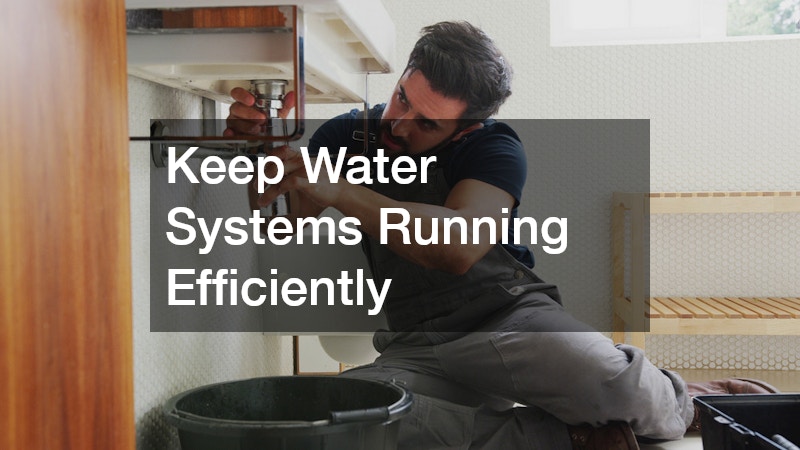
Water damage remains one of the most destructive forces a property owner can face, often starting from subtle leaks under sinks, faulty water heaters, or corroded distribution lines. Left unchecked, even minor water leaks decay floor joists, ruin finishes, and trigger rapid mold cultivation. Establishing a relationship with reputable plumbing companies allows you to address leaks, replace aging fixtures, and maintain water pressure regulators before emergency pipe bursts occur. Professional plumbers also offer preventive inspections, testing backflow devices and evaluating supply lines to keep clean water flowing smoothly throughout the premises.
Nurture Green Spaces for Health and Curb Appeal
Exterior green spaces contribute significantly to a property’s aesthetic appeal and overall value, but maintaining healthy turf, shrubbery, and trees demands continuous effort and technical knowledge. Issues like patchy grass, aggressive weeds, soil compaction, and pest infestations can turn a beautiful yard into an eyesore. Relying on dedicated lawn care services provides your landscape with structured fertilization, core aeration, weed suppression, and seasonal cleanup programs tailored to local soil conditions. A well-managed lawn not only elevates curb appeal but also stabilizes topsoil, preventing soil erosion around walkways and property boundaries.
Master Indoor Climate Control Year-Round
Sustaining a comfortable indoor environment requires an efficient, reliable system capable of heating during bitter winters and cooling during scorching summer months. Neglected heating and cooling units consume excessive energy, deliver inconsistent temperatures, and frequently break down during seasonal extremes. Partnering with top-tier HVAC companies guarantees that your heating, ventilation, and air conditioning equipment receives routine filter replacements, refrigerant level checks, and system tune-ups. Proper maintenance drastically lowers monthly energy bills, improves indoor air quality, and extends the operational lifespan of expensive mechanical equipment.

Optimize Energy Consumption and Thermal Retention
Beyond repairing mechanical systems and exterior structures, lowering operational costs requires maximizing energy efficiency throughout the entire building envelope. Drafty windows, inadequate attic insulation, and unsealed air leaks force heating and cooling systems to run constantly, leading to inflated utility bills and unnecessary wear on equipment. Addressing thermal leaks involves applying weatherstripping around doors, installing modern double- or triple-pane windows, and adding high-R-value insulation to attics and exterior walls. An energy-efficient building maintains comfortable interior temperatures effortlessly while reducing environmental impact and ongoing utility overhead.
Protect Foundations with Effective Exterior Water Management
While internal plumbing handles fresh supply and wastewater, managing rain and groundwater on the outside of the building is equally critical for long-term structural health. Poorly directed stormwater can quickly erode surrounding soil, flood low-lying areas, and seep into basement walls through tiny capillary cracks. Installing high-capacity gutters, extended downspouts, and underground catch basins directs heavy rain far away from the foundation perimeter. Supplementing these measures with exterior waterproof membranes or French drain systems prevents subterranean water pressure from forcing moisture through masonry, keeping lower levels dry, structurally sound, and free from persistent dampness.
Enhance Security and Curb Appeal with Exterior Masonry Maintenance
Concrete pathways, brick facades, retaining walls, and stone patios serve dual roles by anchoring property aesthetics and offering physical durability. Over time, freeze-thaw cycles, soil settling, and salt exposure cause masonry materials to crack, spall, or loosen at the mortar joints. Neglecting these minor structural fractures allows water to penetrate deep into the substrate, accelerating decay and creating serious tripping or collapse hazards. Re-pointing mortar joints, applying high-grade masonry sealants, and repairing structural retaining walls prevents water intrusion and restores the original strength of hardscape features, protecting both visitor safety and overall curb appeal.
Upgrade Interior Finishes to Safeguard Structural Elements
Interior walls, flooring, and ceilings do far more than define the style of a room; they serve as a protective barrier for internal framing, insulation, and utility runs. Water spots, drywall cracks, and warped flooring often signal underlying leaks or foundation movements that require prompt attention. Repairing damaged drywall, applying mold-resistant interior coatings in high-moisture zones, and replacing compromised subflooring halts hidden rot before it spreads into structural studs. Maintaining clean, sound interior surfaces creates a healthier living space while making it far easier to spot subtle signs of utility or moisture problems before they escalate into major repairs.
Safeguard Ventilation and Indoor Air Quality
Proper air circulation throughout a building is essential for controlling indoor humidity levels, preventing toxic mold proliferation, and maintaining a healthy living environment. Bathroom exhaust fans, kitchen range hoods, and attic vent systems must function properly to push moisture and airborne pollutants outside the building envelope. Blocked or failing exhaust vents trap high humidity inside walls and ceilings, causing paint to peel, insulation to lose effectiveness, and wood framing to rot silently over time. Inspecting vent ducts, cleaning lint traps, and replacing underpowered exhaust units keeps humidity within healthy ranges and protects your indoor environment from invisible air quality threats.
Upgrade Window and Door Assemblies for Total Weatherization
The openings in your building’s exterior envelope represent vulnerable points where weather, dust, noise, and moisture can infiltrate your living spaces. Old or misaligned frames allow drafts to pass freely, while cracked seals in double-pane glass invite condensation that permanently fogs the glass and reduces thermal performance. Replacing worn weatherstripping, adjusting door latches for a tight seal, and applying high-grade exterior caulk around window frames locks out drafty air currents and moisture penetration. Properly maintained window and door assemblies reduce exterior noise pollution, improve security against forced entry, and relieve strain on your environmental systems.
Protect Wood and Decking Structures from Moisture and Decay
Exterior timber features such as wooden decks, porches, pergolas, and decorative trim add immense aesthetic value to a property but require consistent upkeep to withstand weather exposure. Rain, ultraviolet rays, and humidity decompose wood fibers over time, leading to warping, splintering, and destructive wood rot. Treating exterior timber with water-repellent stains, applying UV-protective sealers, and re-fastening loose deck boards prevents structural weakness and extends the life of outdoor wooden structures. Promptly replacing soft or rotting timber keeps outdoor entertaining areas safe for foot traffic and prevents rot from spreading to adjoining house framing.
Implement a Routine Preventative Maintenance Schedule
The most effective way to eliminate costly emergency repairs is by transitioning from a reactive mindset to a structured, proactive maintenance plan. Creating a seasonal checklist allows property owners to inspect critical components—such as gutters, smoke detectors, water shutoff valves, and exterior sealant—at fixed intervals throughout the year. Documenting repair histories, tracking equipment lifespans, and scheduling professional inspections before extreme weather seasons begin ensures that minor wear and tear is caught early. A disciplined preventative strategy saves thousands of dollars in emergency service calls and preserves the structural and operational integrity of your property for decades to come.
Taking care of a property requires constant vigilance, but break down the responsibility into clear, manageable steps and the task becomes entirely straightforward. By systematically addressing structural integrity, utility networks, perimeter security, and exterior landscapes, you protect your physical investment from premature wear and catastrophic failure. Partnering with qualified professionals for specialized tasks ensures that every repair meets strict industry standards and local safety codes. Ultimately, a proactive approach to property maintenance provides a safer, more comfortable environment while preserving long-term financial value. Establishing routine inspection schedules allows you to catch minor defects before they escalate into costly emergency repairs. This ongoing diligence keeps operational expenses predictable, optimizes energy efficiency, and ensures your building remains resilient, secure, and fully functional for years to come.