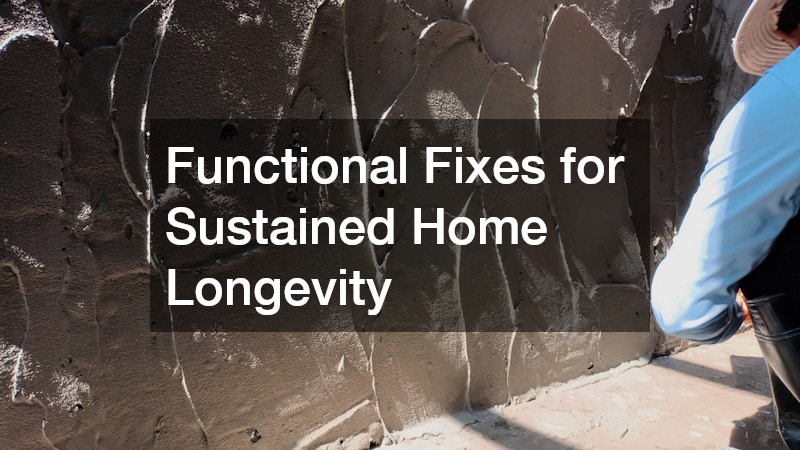
A home does not usually fall apart all at once. Most major repair bills begin as small warning signs: a faint stain on the ceiling, a hairline crack near a window, a garage door that starts shaking more than usual, or a driveway that develops one small dip after a heavy rain. These issues are easy to ignore because they do not always feel urgent at first. Life gets busy, budgets get tight, and small repairs often slide to the bottom of the list.
The problem is that homes are connected systems. A small leak can affect insulation, drywall, flooring, and framing. Poor ventilation can shorten the life of mechanical equipment. Exterior cracks can let moisture travel into places homeowners rarely see. By the time the damage becomes obvious, the repair is often larger, more disruptive, and more expensive.
The good news is that budget-friendly home improvements can make a real difference. The goal is not to renovate everything at once. It is to notice weak spots early, fix what matters most, and protect the parts of the home that take the most wear. A practical maintenance plan can help homeowners stretch their budgets while keeping their property safer, more comfortable, and better prepared for the years ahead.
Stop Water Damage Before It Spreads
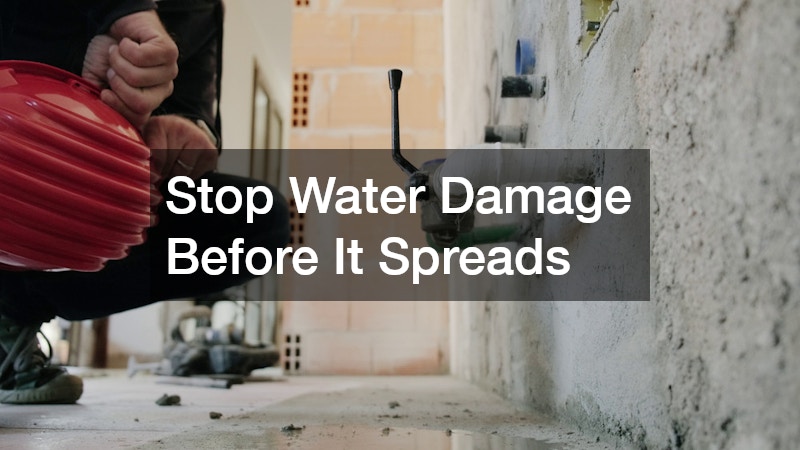
The roof is one of the most important areas to watch because even a small weakness can affect several parts of the home. Shingles, flashing, vents, gutters, and sealants all work together to keep water out. When one part fails, moisture can slip beneath the surface and cause damage long before anyone sees a drip indoors.
Homeowners should look for signs such as curling shingles, missing granules, dark streaks, soft spots, or water stains near ceilings and attic spaces. These details may seem minor, but they often point to problems that are easier to fix early. Reaching out to a roofing company for timely roof repairs can help prevent water from reaching insulation, drywall, wood framing, or electrical components.
Residential roofing maintenance is especially important after heavy storms, high winds, or long seasons of intense heat. A quick visual check from the ground can reveal obvious changes, but a professional inspection may be needed if the home has an older roof or hard-to-see areas. Fixing a loose flashing section or replacing a few damaged shingles is usually far more manageable than waiting until water damage spreads across multiple rooms.
Another habit that pays off is checking the attic a few times each year. Even if the living areas look perfectly dry, the attic often reveals problems much earlier. Damp insulation, water stains on the underside of the roof decking, or a musty smell can all indicate moisture intrusion. Catching these warning signs before they spread into finished rooms can significantly reduce repair costs.
Homeowners should also pay attention to gutters and downspouts. A roof can be in excellent condition but still experience water-related problems if rainwater is not directed away from the home. Clogged gutters allow water to overflow along the roof edge, where it can damage fascia boards, siding, and even the foundation. Cleaning gutters each spring and fall is one of the simplest maintenance tasks that delivers long-term benefits.
Seal Exterior Openings Before Moisture Moves In
Exterior surfaces do more than improve curb appeal. They protect the home from rain, humidity, pests, and shifting temperatures. When stucco cracks, siding pulls away, or trim begins to rot, the home becomes more vulnerable to hidden moisture damage.
A homeowner might first notice a thin crack near a window or a small section of siding that looks warped. At first, it may not seem like a serious issue. But water has a way of finding the smallest opening, especially during repeated storms. Once moisture gets behind the surface, it can affect sheathing, insulation, and interior walls.
A local stucco repair service can often address cracks, chips, and worn areas before the damage becomes more widespread. The same idea applies when working with a siding contractor. Replacing a few compromised panels, sealing gaps, or repairing trim can help prevent larger exterior failures.
This is one of those projects where timing matters. If a homeowner waits until paint bubbles, interior walls stain, or mold appears, the repair is no longer just cosmetic. A careful walk around the house twice a year can help catch changes early. Pay close attention to corners, window edges, door frames, foundation lines, and shaded areas where moisture tends to linger.
One useful approach is to walk the exterior after a heavy rain instead of only checking it on a dry afternoon. Wet weather makes weak spots easier to see. Look for areas where water collects, drips behind trim, stains the surface, or runs toward the foundation instead of away from it. These patterns can reveal trouble spots that are not obvious during normal conditions.
Homeowners should also avoid treating exterior cracks as purely cosmetic. Even a narrow opening can expand as materials heat, cool, swell, and contract. Sealing or repairing these areas early helps preserve the protective shell of the home. It also helps prevent pest entry, which can create a separate set of problems if insects or rodents find easy access points.
Upgrade Worn Surfaces Before Daily Use Takes Over

Some parts of the home wear down slowly because they handle constant traffic. Garages, work areas, patios, and utility spaces often take abuse from vehicles, tools, water, dirt, and dropped objects. Over time, bare concrete may stain, crack, dust, or become harder to clean.
Epoxy flooring can be a smart protective upgrade in garages or other high-use areas because it creates a durable surface over concrete. It can make cleanup easier and help reduce damage from spills, tire marks, and everyday wear. While it may feel like a visual improvement, the bigger value is protection. A coated surface can help slow deterioration and make the space more usable.
Homeowners who are not ready for a full flooring project can still take smaller steps. Keep water from pooling, clean up oil or chemical spills quickly, and avoid letting heavy items scrape across the floor. Simple mats under equipment or storage shelves can also reduce damage in high-impact zones.
The key is to treat worn surfaces before they become harder to restore. Once cracks widen or moisture gets beneath the surface, repairs may require more preparation and expense.
Repair Moving Parts Before They Fail Suddenly
Mechanical systems often give warnings before they stop working. The challenge is that homeowners get used to small noises and performance changes. A garage door may shake a little more each month. An air conditioner may run longer than it used to. A heater may still work, but not quite as evenly.
These small changes should not be ignored. Garage door repairs can improve safety, reduce strain on the opener, and prevent damage to tracks, springs, rollers, or panels. A door that jerks, squeals, reverses unexpectedly, or hangs unevenly may be under stress. Waiting until it gets stuck can create an inconvenient and potentially unsafe situation.
HVAC repairs work the same way. A system that short cycles, blows weak air, makes unusual sounds, or struggles to hold temperature is asking for attention. Sometimes the fix is simple, such as replacing a worn component, cleaning a coil, or correcting airflow. Left alone, however, the system may work harder than necessary and wear out faster.
A practical approach is to schedule seasonal checks before the busiest weather months. That way, homeowners are not trying to find help during the first heat wave or cold snap, when many companies are already overloaded.
Many homeowners only think about maintenance when equipment stops working, but performance usually declines gradually. An air conditioner may take longer to cool the house each summer, or the garage door opener may require multiple presses before responding. Because these changes happen slowly, they often become the new normal until the equipment finally fails.
Creating a seasonal maintenance checklist makes it easier to notice these gradual changes. Replace HVAC filters on schedule, listen for unusual noises while systems are operating, lubricate moving garage door components according to manufacturer recommendations, and inspect weatherstripping around doors. These quick tasks require very little time but can improve efficiency while reducing unnecessary wear.
Keeping records is equally valuable. Writing down service dates, filter replacements, and repair history helps identify recurring issues and allows technicians to diagnose problems more efficiently. Over several years, those records can also help homeowners determine whether continued repairs make sense or if replacement eventually becomes the more economical option.
Protect Outdoor Areas Before Weather Breaks Them Down
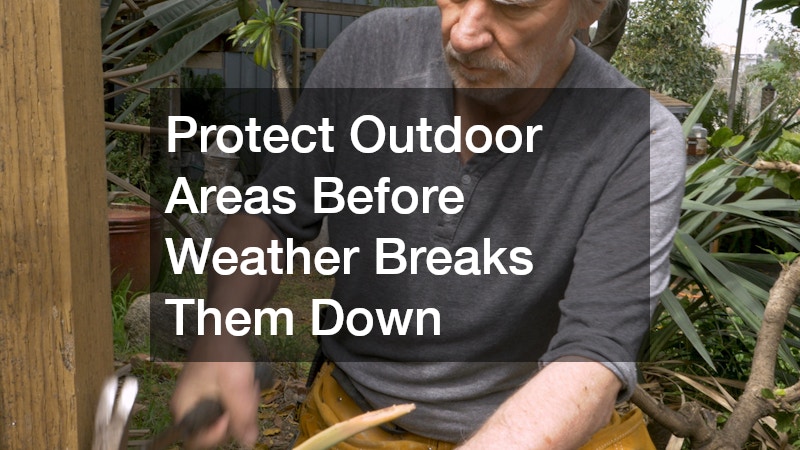
Driveways, walkways, and pool areas face constant exposure. Sun, rain, freeze-thaw cycles, standing water, and regular use can weaken outdoor surfaces over time. Small cracks or rough patches may not look urgent, but they can grow quickly when water seeps in and expands.
Asphalt paving maintenance starts with watching for cracks, drainage problems, crumbling edges, and low spots where water collects. A driveway that sheds water properly will usually last longer than one that holds puddles after every storm. Sealing cracks early and addressing drainage can help slow deterioration and reduce the chance of needing major reconstruction.
Pool surfaces also need attention. Pool resurfacing may become necessary when the finish feels rough, stains deeply, flakes, or shows visible wear. Addressing surface problems before they worsen can make the pool safer and more enjoyable while helping protect the structure underneath.
A homeowner can build outdoor inspections into regular yard care. After mowing, cleaning the pool area, or washing the car, take a few minutes to look for changes. The best time to catch surface problems is before they affect how the space functions.
Outdoor damage often starts at the edges. Driveway borders may crumble where grass, soil, or water presses against them. Pool edges may show wear where waterline buildup, chemicals, and sun exposure meet. These spots deserve extra attention because they are where small defects often begin. Keeping edges clean, maintaining proper drainage, and addressing early cracks can prevent surface damage from spreading inward.
It is also worth thinking about how water moves through the property. If rainwater consistently flows across the driveway, collects near the garage, or sits near the pool deck, surface repairs alone may not solve the problem. Sometimes the most affordable fix is improving drainage before investing in cosmetic work. Redirecting downspouts, correcting grading, or clearing blocked drains can protect multiple outdoor areas at once.
Build a Budget Before Emergencies Control It
Home maintenance becomes less stressful when there is a plan. Without one, repairs tend to happen only when something breaks. That usually means higher costs, fewer scheduling options, and rushed decisions. A simple annual budget helps homeowners stay ahead of problems without feeling like every issue must be fixed at once.
Start by dividing home projects into three groups:
- Urgent safety or water-related issues
- Preventive maintenance that protects major systems
- Cosmetic or comfort upgrades that can wait
This helps keep priorities clear. A ceiling stain, exterior gap, failing mechanical part, or drainage issue should usually come before purely decorative updates. That does not mean appearance does not matter. It simply means the budget should first protect the structure and systems that are most expensive to replace.
It also helps to spread projects across the year. For example, exterior inspections may fit better in spring, mechanical tune-ups before seasonal temperature swings, and surface repairs during dry weather. Keeping a small monthly maintenance fund can soften the impact of repairs when they come up.
A good budget does not have to be complicated. Even a basic note on a phone with dates, repairs, warranties, and contractor visits can help homeowners make better decisions later.
Many homeowners assume they need a large emergency fund before they can begin preventive maintenance, but consistency is more important than the size of the budget. Setting aside a modest amount each month specifically for home upkeep creates flexibility when small repairs arise. Even a relatively small reserve can cover routine inspections, seasonal servicing, or minor repairs before they develop into major projects.
It is also helpful to review the home’s maintenance priorities annually. As a house ages, different systems require more attention. A newer home may need little more than routine inspections, while an older property could benefit from scheduled evaluations of roofing, exterior finishes, mechanical equipment, and drainage. Updating the maintenance plan each year ensures that money is being spent where it will have the greatest impact instead of reacting to unexpected surprises.
A homeowner might also group repairs by season to make budgeting easier. Spring can be used for exterior checks, gutter cleaning, and drainage concerns. Summer may be better for outdoor surface work and projects that require dry weather. Fall is a smart time to prepare heating systems and inspect areas that may be vulnerable during winter. This seasonal rhythm turns maintenance into a routine instead of a series of stressful surprises.
Save More by Acting Before Damage Feels Urgent

The most affordable repair is often the one handled before it becomes an emergency. That does not mean homeowners need to panic over every small imperfection. Houses age, materials wear down, and seasonal changes are normal. The goal is to notice patterns and respond before one issue turns into several.
A crack that stays the same for years may only need monitoring. A crack that grows after every storm needs attention. A system that makes one odd sound once may not be a crisis. A system that gets louder, weaker, or less reliable over time should be checked. Learning the difference helps homeowners spend money wisely instead of reacting out of fear.
Affordable home improvements are really about protecting options. When problems are caught early, homeowners often have time to compare solutions, plan around their budget, and choose repairs that make sense. When problems are ignored, the house makes the decision for them.
A steady, practical maintenance routine can protect comfort, safety, and long-term value. Walk the property. Listen for changes. Look at surfaces after storms. Keep records. Ask for help when something seems beyond a simple homeowner fix. Small actions, done consistently, can prevent the kind of repair bills no one wants to face.