Maintaining a home is a year-round responsibility that requires consistent attention, planning, and a proactive mindset. Even minor issues—such as a small leak, a cracked tile, or an overgrown branch—can escalate into significant, costly problems if left unchecked. Regular inspections and routine maintenance not only prevent emergencies but also preserve the safety, functionality, and long-term value of your property. Homeowners who follow a structured checklist or schedule are better equipped to stay ahead of potential issues, address repairs promptly, and maintain a living environment that is comfortable and efficient throughout the year.
A well-maintained home encompasses both the interior and exterior, covering structural elements, mechanical systems, and outdoor spaces. From ensuring roof integrity and proper gutter function to keeping landscaping, pools, and irrigation systems in optimal condition, there are numerous areas that demand attention. Even interior systems—like plumbing, heating, and electrical components—benefit from periodic checks and timely servicing. Understanding what to inspect, how frequently to perform these tasks, and when to hire professionals allows homeowners to safeguard each aspect of their property.
This guide provides a comprehensive breakdown of essential home maintenance topics, offering practical advice, professional considerations, and actionable steps. By following these recommendations, homeowners can systematically address critical tasks, prevent costly surprises, and create a safe, functional, and well-cared-for home environment year-round. With careful planning and attention to detail, routine maintenance becomes a manageable process that protects both your home and your investment.
1. Roof and Gutter Inspections
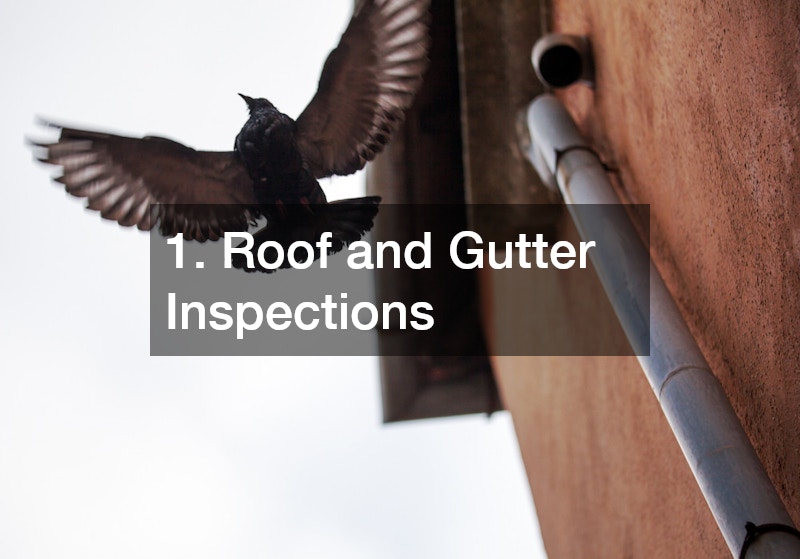
The roof and gutters are your home’s first line of defense against the elements. Over time, exposure to wind, rain, snow, and UV rays can cause shingles to crack, loosen, or wear prematurely. Regular inspections help identify areas at risk before leaks develop. Cleaning gutters is equally important, as clogged downspouts can lead to water pooling, foundation damage, and interior leaks.
Homeowners should inspect flashing around chimneys, vents, and skylights for signs of deterioration. Replacing damaged shingles or sealing vulnerable areas prevents moisture intrusion and extends the roof’s lifespan. Gutters should be checked for blockages, rust, and proper alignment to ensure water is directed away from the home. Using gutter guards can reduce debris accumulation and minimize maintenance needs.
Professional roofing specialists can provide a more thorough inspection and repair minor damage before it becomes costly. Regular attention to roofs and gutters preserves structural integrity, prevents interior water damage, and protects overall home value.
2. Water Intrusion and Damage Control
Water penetration can silently compromise a home’s structural integrity. Basements, crawl spaces, and foundations are particularly vulnerable, especially during heavy rains or melting snow. Signs of water intrusion include damp floors, water stains, or a musty odor. Left untreated, even small leaks can cause significant deterioration and lead to mold growth.
Engaging professional water damage restoration services ensures that water is removed quickly, affected materials are dried properly, and potential structural issues are addressed. These specialists use industrial drying equipment and moisture monitoring to prevent hidden damage. Early intervention can save homeowners thousands in repairs and preserve the longevity of building materials.
Routine inspections are vital for detecting leaks or water seepage early. Check window wells, foundation walls, and plumbing connections for signs of moisture. Simple preventative measures, such as sealing cracks or adjusting drainage, can significantly reduce the risk of water-related issues and keep lower-level spaces safe and usable.
3. Mold Prevention and Removal
Mold thrives in damp, poorly ventilated environments. Even small water leaks or condensation can create conditions for mold growth, which poses health risks and can damage building materials. Regular monitoring of basements, bathrooms, and attics is essential to prevent mold from spreading.
If mold is detected, professional mold removal services should be engaged immediately. Experts can safely remove contaminated materials, clean affected surfaces, and treat areas to prevent recurrence. Proper remediation ensures that indoor air quality is preserved and structural elements remain sound.
Preventative steps include improving ventilation, using dehumidifiers, and repairing leaks promptly. Checking HVAC systems for moisture buildup and inspecting areas around windows and doors for condensation also helps reduce mold risks. Proactive mold prevention protects both the health of occupants and the long-term value of the home.
4. Garage Door Maintenance
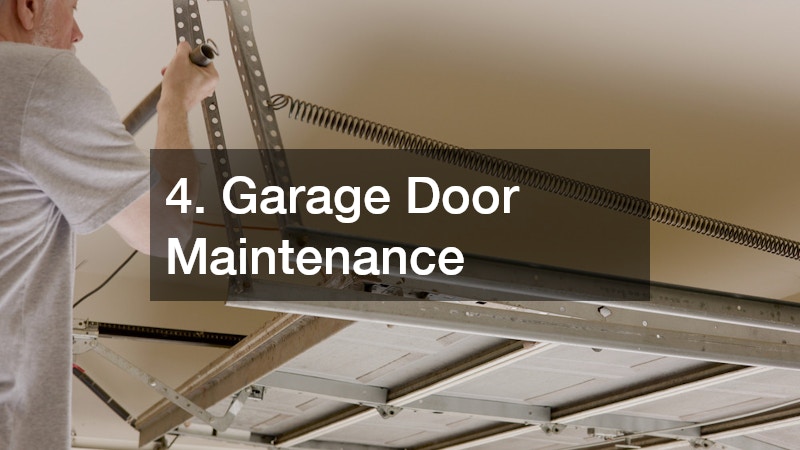
Garages serve as both storage spaces and entry points, making door maintenance critical. Misaligned tracks, worn rollers, or damaged panels can compromise security and functionality. Regular inspections ensure smooth operation and prevent small problems from escalating.
Professional residential garage doors services provide maintenance, repairs, or full replacement when needed. Technicians check alignment, lubricate moving parts, and replace hardware, ensuring doors open and close safely. Upgrading to durable materials can improve energy efficiency and protect against weather damage.
Homeowners should also inspect door sensors, automatic openers, and locking mechanisms. Keeping the garage organized and free from obstructions reduces wear and tear. Regular attention to garage doors maintains safety, preserves functionality, and enhances overall curb appeal.
5. Landscaping and Tree Care
Outdoor areas are highly vulnerable to seasonal weather, pests, and general wear. Fallen branches, thinning turf, and shifting soil can all create hazards while diminishing a property’s appearance. Consistent upkeep helps preserve outdoor functionality and protects against avoidable damage.
A well-trained landscaping company can restore planting beds, repair lawn areas, and clean up debris after harsh weather. These professionals also evaluate soil conditions, improve drainage where needed, and recommend plant varieties that thrive in your climate. Their guidance supports long-term curb appeal while reducing the amount of routine maintenance required.
A separate tree company is essential when dealing with unstable limbs, overgrown canopies, or storm-damaged trees. Skilled crews can remove hazardous branches, shape trees for healthier growth, and protect nearby structures from potential impact. Their work ensures safer outdoor areas and helps prevent costly damage during high winds or severe weather.
Routine attention to outdoor spaces reduces safety risks and maintains the function of gardens, patios, and walkways. By prioritizing vegetation health, monitoring tree stability, and addressing small issues early, homeowners can keep exterior areas attractive, resilient, and ready for year-round use.
6. Irrigation System Checks
Irrigation systems are essential for maintaining healthy lawns and gardens but require regular maintenance to operate efficiently. Leaks, clogs, or broken sprinkler heads can waste water and compromise plant health. Hiring an irrigation contractor ensures that systems are inspected, repaired, and optimized for proper coverage.
Regular checks include evaluating timers, checking pressure, and inspecting pipes for leaks or damage. Seasonal adjustments help conserve water and adapt to changing weather conditions. Draining and winterizing systems in colder climates prevents frozen pipes and costly damage.
Properly maintained irrigation systems promote plant health, conserve resources, and reduce long-term maintenance costs. Homeowners benefit from vibrant, functional landscapes while avoiding water waste and unnecessary repair bills.
7. Pool Upkeep and Repairs
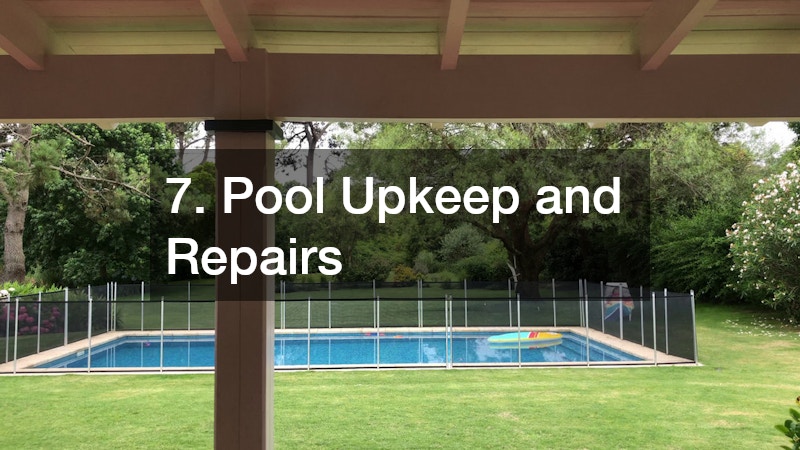
Pools require routine inspection and maintenance to remain safe and functional. Exposure to weather, debris, and chemicals can lead to mechanical failure or surface damage over time. Professional pool repair services ensure pumps, filters, and structural elements operate efficiently.
Regular maintenance includes checking water chemistry, inspecting plumbing, and cleaning surfaces. Addressing leaks or equipment issues early prevents larger, costlier repairs. Seasonal preparations, such as winterizing or opening a pool for summer, protect the investment and extend the lifespan of the pool.
Homeowners should also inspect safety features, including fencing, covers, and alarms. Consistent attention keeps pools safe for families and guests while maintaining aesthetics and usability.
8. Pest and Mosquito Control
Pests can compromise comfort, safety, and property integrity. Mosquitoes, ants, and rodents often thrive in neglected areas, including yards, attics, and crawl spaces. Scheduling a mosquito removal service helps control populations and reduce the risk of disease.
Preventative measures include sealing entry points, removing standing water, and maintaining vegetation to discourage nesting. Regular pest inspections identify potential problems before they escalate. Using professional services ensures effective and safe treatment tailored to the specific property and pest type.
Proactive pest control maintains health, protects outdoor spaces, and reduces the potential for structural or cosmetic damage caused by infestations.
9. Heating, Oil, and Fuel Systems
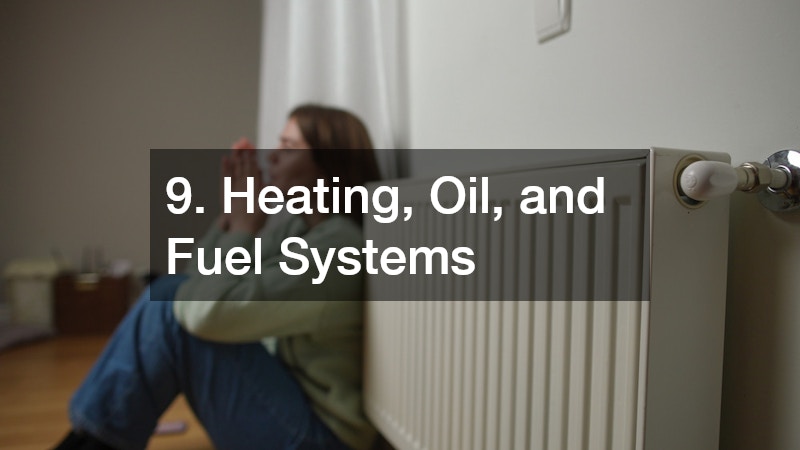
Reliable heating is critical during colder months. Fuel-based systems require regular attention to ensure efficiency and safety. Scheduling automatic oil delivery guarantees a continuous supply, preventing interruptions in heat during peak demand.
Routine maintenance includes inspecting burners, cleaning components, and testing thermostats. Proper care improves energy efficiency, reduces emergency breakdowns, and extends the lifespan of heating systems. Homeowners should also check for leaks, monitor pressure, and ensure proper ventilation.
A well-maintained heating system keeps the home comfortable, lowers energy costs, and minimizes the risk of costly repairs or safety hazards.
10. Waste and Debris Management
Yard waste, renovation debris, and seasonal clutter can accumulate quickly, creating safety hazards and detracting from the appearance of a property. A dumpster rental provides a convenient solution for disposing of large amounts of debris safely and efficiently.
Regular clean-up prevents fire hazards, reduces pest activity, and maintains accessibility to outdoor spaces. Homeowners can schedule rentals for seasonal clean-ups, construction projects, or landscaping efforts, ensuring proper disposal of waste materials.
Managing debris also helps protect storm drains and prevents water buildup, contributing to a safer and more attractive environment.
11. Exterior Siding and Structure
Siding, windows, and doors serve as the primary barrier between the interior of a home and external weather conditions. They protect against rain, wind, snow, and UV exposure, helping to maintain a stable indoor environment. Over time, exposure to the elements can cause cracks, gaps, warping, or deterioration, which may lead to water intrusion, reduced energy efficiency, and compromised structural integrity. Even minor issues, if left unaddressed, can escalate into significant repairs that are both costly and disruptive. Regular inspections of these exterior surfaces are essential to detect wear, identify vulnerabilities, and plan timely repairs before problems worsen.
Replacing worn or damaged siding not only improves insulation but also protects the home from moisture penetration and drafts, helping to lower heating and cooling costs. Similarly, repairing or upgrading windows ensures proper sealing, reduces air leaks, and enhances overall comfort. Doors should be checked for alignment, weather stripping, and proper functioning, as gaps or misalignment can allow water, pests, and cold air to enter.
By consistently monitoring and maintaining siding, windows, and doors, homeowners can ensure their home remains safe, energy-efficient, and resilient against seasonal challenges. Preventative care protects interior spaces from damage, preserves comfort, and reduces the likelihood of costly emergency repairs, creating a home that is both attractive and structurally sound year-round.
12. Safety and Preventative Checks
Routine safety checks are crucial for maintaining a secure, functional, and comfortable home environment. Beyond protecting your property, they safeguard the well-being of everyone living in the home. Start by inspecting smoke and carbon monoxide detectors to ensure they are fully operational and replace batteries as needed. Test emergency lighting in hallways, basements, and outdoor entryways to guarantee visibility during power outages. Fire extinguishers should be reviewed for expiration dates, pressure levels, and accessibility in key areas like kitchens, garages, and utility rooms.
Maintaining clear pathways throughout your home is equally important. Cluttered hallways or blocked exits can increase the risk of accidents, particularly in emergencies. Verify that all doors and windows lock securely, not only for safety but also to prevent unauthorized entry. Homeowners should also inspect stair railings, handrails, and exterior walkways to ensure they are sturdy and slip-resistant.
Preventative inspections allow small issues to be addressed before they escalate into costly or dangerous situations. For example, noticing frayed electrical cords, minor water leaks, or loose structural elements early can prevent fires, water damage, or injuries. Proactive monitoring reduces emergency repairs, extends the lifespan of home systems, and provides peace of mind.
Combining routine safety checks with ongoing maintenance of structural, mechanical, and outdoor systems—such as roofs, plumbing, landscaping, and garage doors—creates a comprehensive, year-round approach to home care. By integrating safety into your maintenance routine, you not only protect your property but also ensure a safe, functional, and comfortable environment for family members and guests throughout the year.
Maintaining a home effectively requires a thoughtful, systematic approach that spans the entire year. Each season brings its own set of challenges, from harsh winter conditions that test heating systems and roofing to spring rains that highlight drainage and water control issues. By taking a proactive approach and scheduling regular inspections, homeowners can prevent minor problems from escalating into major, costly repairs. Consistent attention to structural integrity, moisture management, landscaping, pool upkeep, and pest control ensures that every part of the home functions as it should, preserving both comfort and long-term value.
By addressing these maintenance priorities proactively, homeowners can protect their investment, reduce the likelihood of emergency repairs, and enjoy a living environment that is safe, functional, and comfortable throughout the year. This holistic approach not only preserves property value but also allows families to maximize enjoyment of their homes, confident that each component is well cared for and ready to withstand the challenges of every season.