Highlights:
- Frozen pipe damage is far more common than most homeowners assume — State Farm logged over 20,000 winter water damage claims in a single recent stretch, totaling more than $628 million in paid losses.
- The average payout for a frozen pipe claim tops $30,000, while broader industry data puts freezing and water damage claims at roughly 23% of all homeowners insurance losses.
- Homes in milder climates are often hit hardest during sudden cold snaps, since they’re rarely built or insulated to handle extreme temperatures.
- Insurers can deny freeze-related claims if the damage stems from neglect, such as letting the heat drop too low or leaving a home unattended without draining the pipes.
- Insulating exposed pipes, sealing drafts, and keeping the thermostat at a minimum of 55 degrees are some of the cheapest, most effective ways to prevent a burst pipe.
- Attic insulation, roof ventilation, and clean gutters matter just as much as plumbing prep, since neglecting them can lead to costly ice dams.
- A furnace or heating system that sits idle for months should get a filter change and inspection before the first hard freeze, since a system in poor condition raises the risk of prolonged cold spots inside the home.
When the first real cold snap hits, most people do the same thing: they walk over to the thermostat, bump it up, and hope for the best. But cranking the heat without prepping your house first is a little like putting on a winter coat with a hole in the pocket. You might feel warmer for a minute, but the cold is still going to find its way in, and so is the risk of expensive damage. Before you touch that thermostat this year, it is worth taking an afternoon to walk through your home and handle a few tasks that can save you thousands of dollars and a lot of stress once temperatures drop below freezing.
Why Freeze Prep Matters More Than You Think
A lot of homeowners assume that freeze damage is rare, or that it only happens to people who live somewhere brutally cold. That is not really true anymore. Homes in milder climates are often hit the hardest during sudden freezes because they were never built or insulated with extreme cold in mind. A single unexpected cold snap can catch an entire region off guard, and pipes that have never frozen before suddenly do, simply because the systems inside the walls were never designed to handle it.
The financial stakes are real too. Frozen pipe damage does not just mean a small leak under the sink. Once a pipe bursts, water can spread into drywall, flooring, ceilings, and even the foundation before anyone notices. By the time it is discovered, you are not just looking at a plumbing repair, you are looking at mold remediation, replacement flooring, and possibly weeks without full use of part of your home.
What the Latest Data Says About Frozen Pipe Damage
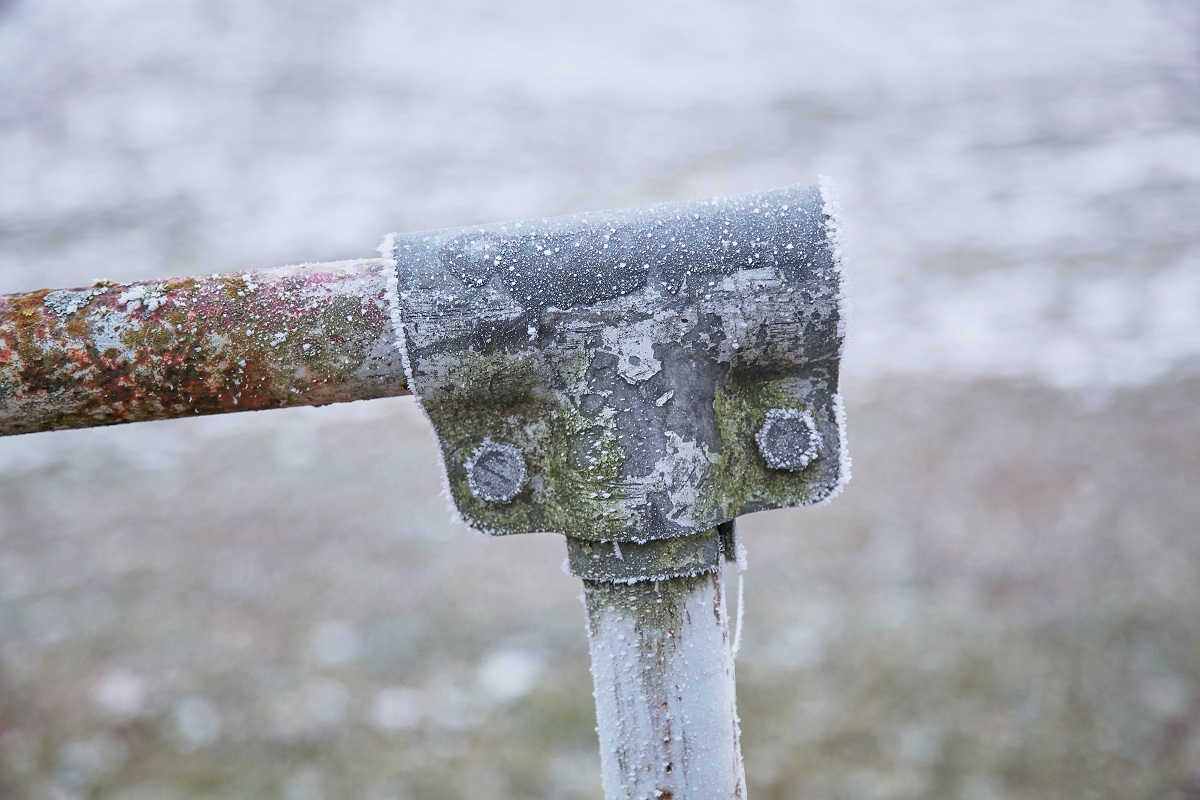
Two recent data points make the case for freeze prep better than any warning label could. State Farm’s latest winter claims report shows that between 2024 and the first half of 2025, homeowners filed more than 20,000 frozen pipe and winter water damage claims, and the total paid losses from those claims topped $628 million. The average single claim payout came in above $30,000. That is not a typo, and it is not an outlier season, it is simply what happens when a house is not ready for a deep freeze.
Separately, Ansay & Associates’ breakdown of Insurance Information Institute figures shows that water damage and freezing now account for close to 23 percent of all homeowners insurance losses across the country, with the average claim landing around $15,400. Put those two numbers together and a clear pattern emerges: freeze-related water damage is not a niche problem, it is one of the single biggest categories of home insurance losses in America, and the price tag for getting caught off guard is steep no matter which dataset you look at.
What makes this especially frustrating is that most of these claims are preventable. Insurers routinely deny freeze-related claims when they can show the damage happened because a homeowner failed to maintain the property, kept the heat too low, or left the house unoccupied without draining the pipes. In other words, the data is not just a warning about the weather, it is a warning about what happens when basic maintenance gets skipped.
Start With Your Pipes and Plumbing
Your plumbing system is the single biggest freeze risk in your entire house, so it deserves the most attention. Water expands as it freezes, and that expansion creates pressure inside a pipe that can easily crack copper, PVC, or even older galvanized steel. Once that crack thaws, water pours out, often inside a wall where nobody sees it happening.
Here is what actually helps:
- Insulate any exposed pipes in unheated spaces like the garage, crawl space, attic, or basement using foam pipe sleeves, which are cheap and take minutes to install.
- Disconnect and drain garden hoses, then shut off and drain exterior spigots so leftover water cannot freeze and crack the fixture.
- Let faucets connected to exposed or vulnerable pipes drip slightly on the coldest nights, since moving water is far less likely to freeze solid.
- Open cabinet doors under sinks that sit against exterior walls so warm household air can actually reach the pipes.
- Know where your main water shutoff valve is located before you need it, not while water is actively flooding your kitchen floor.
If you are heading out of town during a cold stretch, do not just lower the thermostat to save money. Keep the house at a minimum of 55 degrees, and consider asking a neighbor to check in, since a burst pipe in an empty house can run for hours or days before anyone notices.
Don’t Forget the Attic and Roof
Pipes get most of the attention, but your roof and attic play a bigger role in freeze prep than most people realize. Ice dams form when heat escaping from your living space melts snow on the roof, that meltwater runs down to the colder eaves, and refreezes into a ridge of ice. Once that dam forms, water backs up under the shingles instead of draining off the roof, and it can leak straight into your ceilings, walls, and insulation.
A few things reduce this risk significantly:
- Make sure attic insulation is even and adequate, since gaps in insulation create warm spots that melt snow unevenly.
- Ventilate the eaves and ridge properly so cold outside air can circulate under the roof deck and keep the whole surface at a consistent temperature.
- Seal attic hatches, whole-house fan openings, and any gaps around recessed lighting so warm air stays where it belongs instead of leaking upward.
- Clean gutters before the first freeze, because clogged gutters trap water right where ice dams like to form.
This is honestly one of those jobs homeowners forget about every single year, right along with checking weatherstripping and testing smoke detectors. It is a good example of what to check around your home each season, since the risks and priorities genuinely shift as the weather changes.
Seal Up Drafts Before You Crank the Heat
Turning the thermostat up higher does nothing for your comfort or your wallet if warm air is escaping through gaps around windows, doors, and outlets. Before you rely on the furnace to do all the work, spend an hour walking around the house feeling for drafts.
Common trouble spots include:
- Window and door frames, especially older ones where caulk has cracked or shrunk over time.
- Electrical outlets and switch plates on exterior walls, which often have surprisingly large gaps behind them.
- The area where dryer vents, cable lines, or pipes pass through exterior walls.
- Attic hatches and pull-down stairs, which are notorious for leaking conditioned air.
Weatherstripping and caulk are inexpensive fixes that pay for themselves fast. A door with a visible gap at the bottom is essentially an open window all winter long, and sealing it properly can make an immediate, noticeable difference in how hard your heating system has to work.
Check Your Heating System First
It sounds obvious, but plenty of people turn the heat up for the first time each season and simply assume the furnace or heat pump will perform the same as it did last spring. Systems that sit idle for months can develop problems that only show up once you actually need them.
Before the real cold arrives, take care of the basics:
- Replace or clean the furnace filter, since a clogged filter restricts airflow and forces the system to work harder while heating less effectively.
- Schedule a professional tune-up if it has been a year or more since the last one, particularly for older systems.
- Test smoke and carbon monoxide detectors, since heating systems are a leading cause of both fire and CO exposure in winter months.
- Check that vents and registers throughout the house are open and unobstructed by furniture or rugs.
A well-maintained heating system does more than keep you comfortable. It also helps prevent the kind of prolonged cold spells inside your walls that lead directly to frozen pipes in the first place.
Outdoor Prep That Homeowners Skip
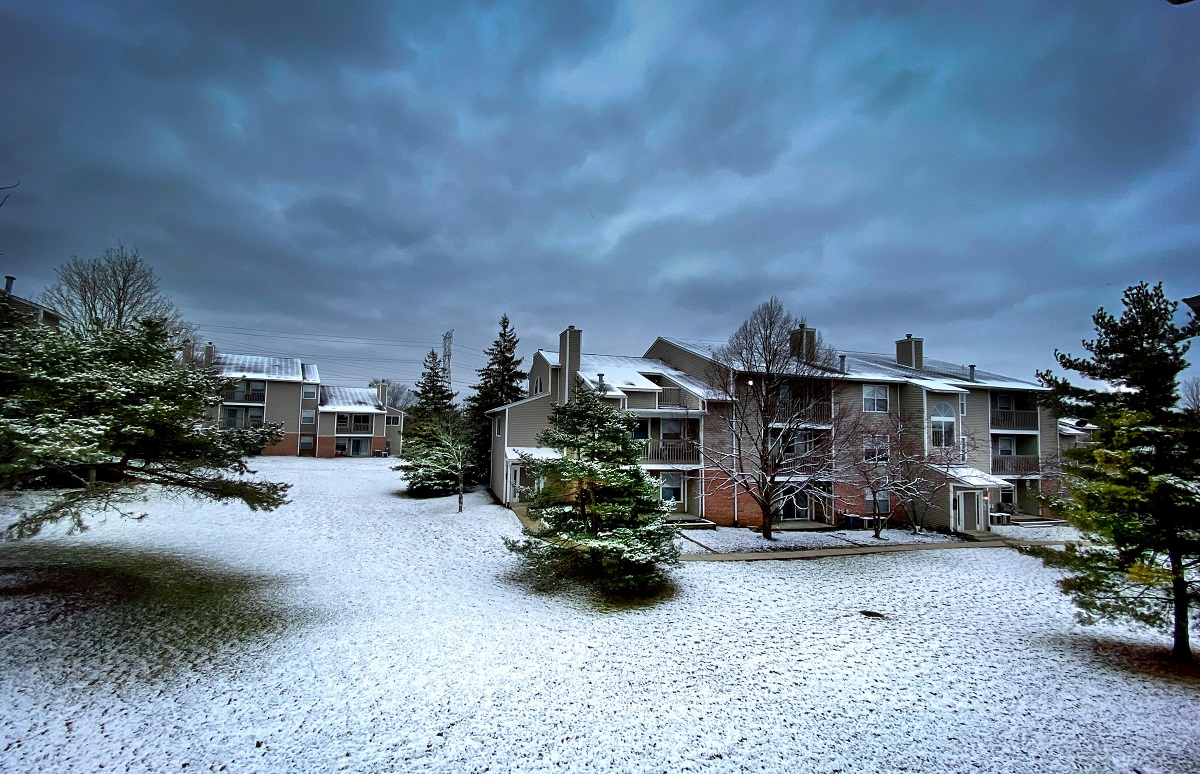
The outside of your home takes just as much of a beating from a freeze as the inside, and this is the area most people rush through or skip entirely.
Walk the exterior of your property and handle these items:
- Winterize your pool by draining equipment lines and turning off freeze guards according to the manufacturer’s instructions.
- Trim tree branches that hang near the roof or power lines, since ice buildup adds significant weight that can snap limbs.
- Store or cover outdoor furniture and equipment that could be damaged by ice or heavy snow.
- Check your foundation for cracks, since water that seeps in and freezes can widen existing cracks over time.
This kind of seasonal upkeep for homeowners often gets pushed to the bottom of the to-do list because none of it feels urgent until a storm is already on the way. Handling it early, while the weather is still mild, is a lot easier than trying to squeeze it in during a cold weather warning.
Quick Freeze-Prep Checklist
If you only have a weekend to get ready, focus your energy here first:
- Insulate exposed pipes and disconnect garden hoses
- Locate and test your main water shutoff valve
- Seal drafts around windows, doors, and exterior wall penetrations
- Replace the furnace filter and test detectors
- Clean gutters and check attic insulation and ventilation
- Keep the thermostat no lower than 55 degrees, even when away
Working through this list does not take much money or specialized skill. Most of it is a matter of setting aside a few hours and actually getting around to tasks that tend to get postponed year after year.
When to Call a Professional
Some freeze prep is genuinely a do-it-yourself job, but a few situations call for a professional instead. If you already have exposed or poorly insulated pipes in a crawl space or unheated area, a plumber can install proper insulation or heat tape more effectively than a quick DIY fix. If your furnace is making unusual noises, struggling to maintain temperature, or has not been serviced in years, get an HVAC technician out before the first hard freeze rather than after. And if you notice signs of ice dam damage from a previous winter, like water stains on ceilings or peeling paint near the roofline, a roofing contractor should take a look before the next cold season adds to the problem.
If a pipe does end up bursting despite your best efforts, document the damage with photos right away and contact your insurance company as soon as it is safe to do so. Most standard homeowners insurance policies will cover sudden and accidental water damage from a burst pipe, provided the home was properly heated and maintained, which is exactly why the prep work described above matters so much both for your comfort and for your coverage.
Final Thoughts
Turning up the heat feels like the obvious first move once the weather turns cold, but it is really the last step, not the first. The data from this winter alone shows just how costly it is to skip the groundwork, with tens of thousands of claims and payouts stretching well into the tens of thousands of dollars per household. Taking a weekend to insulate pipes, seal drafts, check your heating system, and handle a few outdoor tasks is a small investment compared to the alternative. Do the prep work now, and when you finally do turn up the thermostat, you can actually enjoy the warmth instead of worrying about what might be happening inside your walls.