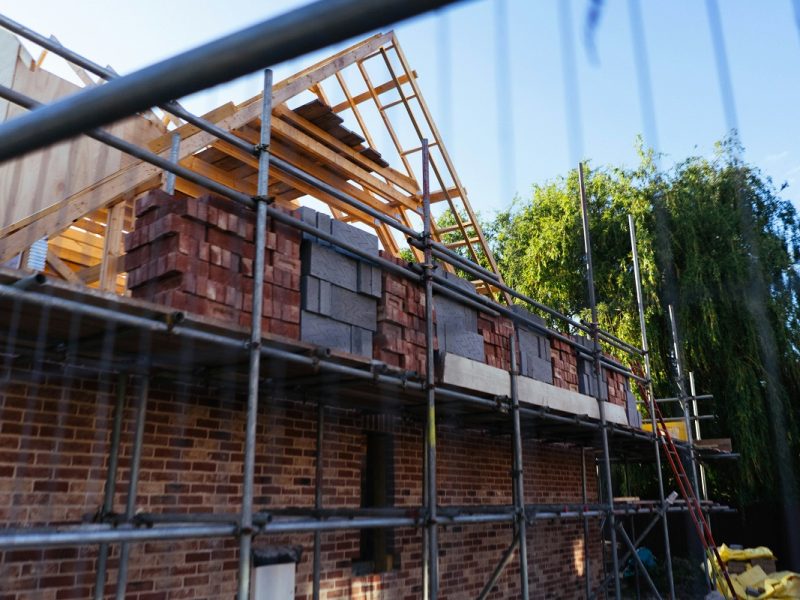
Maintaining a stable indoor climate involves managing applied thermodynamics. Conditioned air is constantly affected by external temperature swings, humidity, and atmospheric pressure. Convective currents drive heated air upward, while solar energy creates localized hot spots. Cold air infiltrating lower planes can disrupt thermal equilibrium. Standard maintenance often involves reactive measures like adjusting thermostats or using portable heaters and dehumidifiers. These remedies address symptoms but cause wear on heating and cooling equipment.
An energy-efficient home functions as an interconnected system where structure, appliances, and plumbing work in coordination. Underperformance in any part increases energy use and causes uneven temperatures. This instability leads to equipment fatigue, temperature stratification, and moisture issues. Overcoming this requires proactive maintenance. Reinforcing thermal systems, fluid channels, and structural boundaries ensures comfort, reduces costs, and protects building integrity.
Audit Output and Address Mechanical Wear Before Peak Freeze Cycles

- Inspecting Burner Assemblies and Ignition Controls: Accumulated oxidation on electronic ignition rods and burner ports prevents clean flame propagation. Technicians must clean burner surfaces, evaluate flame rectification signals, and calibrate fuel-to-air combustion ratios to avoid soot formation.
- Evaluating Heat Exchanger Integrity: Microscopic fractures in heat exchangers bleed warm air, allow combustion gases into living spaces, and degrade thermal transfer. Optical borescope examinations reveal early hairline stress fractures caused by repeated thermal expansion cycles.
- Static Pressure and Blower Calibration: Uneven static pressure across plenums strains blower motors and starves perimeter registers. Calibrating variable-speed blower assemblies ensures smooth volumetric airflow throughout duct networks.
When diagnostics reveal cracked manifold castings, sticking inducer draft motors, or failing ignition modules, delaying maintenance invites complete system failure during severe freezes. Investing in timely heating repairs restores baseline thermal output, relieves strain on electrical relays, and ensures the system converts fuel into usable warmth with minimal parasitic loss.
Optimize Central Hydronic Distribution Loops to Eliminate Cold Zones
Hydronic heating networks provide steady radiant comfort, yet they require precise fluid dynamic maintenance to sustain uniform thermal delivery. Because water transfers thermal energy far more densely than air, circulation disruptions quickly leave perimeter zones vulnerable to rapid heat loss.
- Purging Entrained Atmospheric Air: Trapped air pockets migrate to high points in baseboard convectors or radiant manifolds. This trapped air restricts water circulation, preventing heated water from reaching targeted zones and causing pipe hammering.
- Water Chemistry and Sludge Removal: Closed-loop hydronic systems accumulate black iron oxide sludge over years of continuous operation. Flushing lines with neutral chemical cleaners and retrofitting magnetic dirt separators removes internal circulation blockages.
- Circulator Pump and Expansion Tank Diagnostics: Diaphragm ruptures in expansion tanks trigger rapid hydrostatic pressure spikes. Verifying static air pre-charge and checking variable-speed circulator impellers ensures consistent flow velocity across long pipe runs.
When an aging cast-iron unit suffers from internal scaling, thermal shock damage, or chronic pressure leaks, continuous component replacement becomes uneconomical. Under these conditions, executing a planned boiler installation provides modern condensing technology that modulates firing rates against outdoor temperature sensors, reducing fuel consumption while delivering uniform baseline warmth.
Insulate Domestic Lines and Maintain Hot Water Storage Reservoirs
- Sediment Purging and Heat Transfer Optimization: Hard water minerals settle at the bottom of traditional water heaters, forming an insulating crust between burners and the water volume. Draining storage reservoirs semi-annually clears sediment, preventing burner overheating and tank degradation.
- Closed-Cell Pipe Insulation Retrofits: Bare copper and PEX lines running through unconditioned spaces dissipate thermal energy continuously. Encapsulating hot-water distribution lines within closed-cell elastomeric foam tubing stabilizes delivery temperatures at distant fixtures and shortens wait times.
- Anode Rod and Safety Relief Inspections: Sacrificial anode rods attract corrosive galvanic currents away from steel tank walls. Replacing depleted rods every three to five years halts interior rust, while testing temperature and pressure relief valves prevents dangerous over-pressurization.
When tank bottoms show active corrosion or household demands outstrip recovery capacity, property owners should transition to high-efficiency equipment. A clean, code-compliant water heater installation ensures incoming water is heated efficiently, preventing unwanted heat loss into adjacent utility rooms and crawlspaces.
Eliminate Concealed Moisture to Stabilize Perceived Temperatures
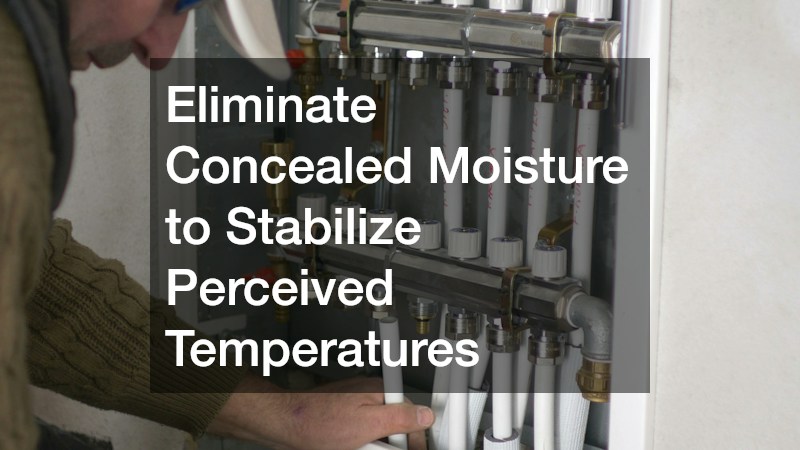
Sub-surface moisture intrusions undermine indoor climate control by driving relative humidity outside the ideal 35 to 50 percent range. When foundations or crawlspaces absorb dampness, capillary action wicks moisture upward into structural floor joists, creating high latent loads that force cooling systems to cycle prematurely.
- Meter Diagnostics for Micro-Leak Detection: Property managers should conduct zero-draw leak tests by shutting off all fixtures and observing low-flow indicator dials on the water meter. Creeping dials point to pressurized pinhole leaks buried inside wall cavities or concrete slabs.
- Sump Basin and Backwater Valve Servicing: Groundwater management depends on functional mechanical drainage. Cleaning sediment from sump basins, testing dual-float switches, and cycling battery backup pumps ensures water clears before saturating basement soil.
- Structural Drain Line Integrity Checks: Damaged sewer pipes or misaligned vent stacks discharge high-humidity vapor into wall cavities, rotting framing and encouraging mold colonies that compromise indoor air quality.
Resolving these deep-seated mechanical and drainage hazards demands skilled diagnostics. Partnering with licensed local plumbers ensures that sub-slab line breaks, leaking pressure-reducing valves, and venting defects are repaired accurately, permanently halting moisture intrusion and safeguarding the home’s indoor climate.
Seal Structural Bypass Penetrations Across the Ceiling Plane
- Remedying Electrical and Plumbing Penetrations: Recessed lights, wiring drops, plumbing vent pipes, and junction boxes puncture the ceiling air barrier. Sealing these access openings with fire-rated elastomeric mastics and expanding compounds halts warm air migration into cold attics.
- Insulating Attic Access Hatches: Attic pull-down stairs and scuttle openings act as open chimneys when unsealed. Fitting hatches with rigid insulation covers and closed-cell compression gaskets stops air exchange between living spaces and unconditioned attics.
- Chimney Chase and Flue Air Barriers: Gaps between chimney chases and wooden framing allow conditioned air to vent into the roof space. Fastening non-combustible sheet metal barriers sealed with high-temperature silicone maintains fire clearance while stopping drafts.
In complex framing geometries, fiberglass batts struggle to fill irregular stud cavities and truss intersections. Professional contractors deploy spray foam insulation to create an air-impermeable thermal envelope across roof decks and knee walls. This treatment seals microscopic framing crevices, locks conditioned air inside living zones, and eliminates convective air loops that cause winter heat loss and summer heat gain.
Clear Roof Ventilation Pathways and Repair Exterior Decks
A fortified attic boundary requires a balanced ventilation scheme beneath the roof deck to prevent heat and moisture accumulation from degrading insulation materials. Unchecked solar baking turns attics into radiant ovens that drive heat downward through ceilings into living spaces.
- Clearing Soffit Intake Baffles: Loose insulation often shifts and blocks intake eaves. Installing rigid plastic or cardboard baffles along rafter tails keeps ventilation airways open, drawing cool ambient air across the underside of the roof deck.
- Ridge Vent and Gable Exhaust Audits: Inspecting continuous ridge vents ensures exhaust openings remain free of leaves, insect nests, and windblown debris. Clear exhaust venting allows rising warm air to escape before it superheats the attic volume.
- Inspecting Flashing and Sheathing Integrity: Wind-driven precipitation penetrates damaged valley flashing, chimney crickets, and degraded plumbing boots, soaking underlying insulation batts. Wet insulation loses its rated thermal resistance, creating direct thermal bridges.
When shingles show widespread curling, granule loss, or localized deck rot, spot repairs cannot prevent water ingress and thermal degradation. Hiring a professional roofing service restores damaged structural decking, replaces broken perimeter flashing, and balances intake-to-exhaust ventilation ratios that protect the attic boundary and stabilize indoor temperatures.
Mitigate Direct Solar Radiation and Perimeter Frame Infiltration

Expansive window glazing acts as a direct pathway for radiant heat. In hot weather, shortwave solar radiation penetrates untreated clear glass and is absorbed by interior furnishings, converting into longwave infrared heat that cannot escape, driving up indoor temperatures.
- Thermal Imaging and Perimeter Air Sealing: Inspecting window perimeters with infrared thermometers exposes drafty frame joints. Stripping degraded caulking and applying high-grade polyurethane sealants along exterior brick molds stops outdoor air penetration.
- Hardware and Compression Sweep Adjustments: Over years of operation, window latches loosen and sash balances slip, preventing weatherstripping from compressing tightly against the jamb. Tightening cam-action sash locks draws frames flush against their stops.
- Low-Emissivity Glass Treatments: Untreated double-pane windows without specialized low-emissivity coatings allow excessive solar heat gain, creating uneven room temperatures and placing heavy loads on cooling equipment.
While draperies provide basic shading, modern window tinting services offer an engineered solution that stops solar heat before it enters the living space. By applying high-performance ceramic or spectrally selective architectural films directly to glass surfaces, technicians lower solar heat gain coefficients, block ultraviolet radiation, and preserve natural daylight while keeping indoor temperatures stable.
Eliminate Convective Drafts at Large Attached Access Points
Attached garages represent massive thermal buffers. When insulated overhead doors and surrounding jamb weatherstripping fail, thousands of cubic feet of cold or sweltering air settle against common partition walls, compromising adjacent living spaces.
- Bottom Astragal Rubber Seal Replacement: The heavy rubber bulb seal running along the bottom edge of overhead doors flattens and cracks over time. Installing flexible EPDM astragal seals conforms to uneven concrete floors, blocking wind, snow, and moisture.
- Perimeter Jamb and Header Weatherstripping: Side and top vinyl jamb seals must maintain steady contact with door panels throughout vertical travel. Adjusting track brackets and renewing brittle flap seals eliminates convective air gaps around door edges.
- Panel Joint Alignment and Torsion Spring Tuning: Worn track rollers and slack torsion springs cause door sections to sit crooked, opening gaps between horizontal hinged panels. Lubricating hinges and balancing spring tension ensures panels interlock tightly when closed.
Because overhead door assemblies store significant mechanical tension within their torsion springs and counterbalance cables, complex adjustments should not be attempted without proper training. Scheduling a routine garage door service ensures counterbalance systems are calibrated, tracks are aligned, and insulated door panels close tightly against the weather, shielding common walls from exterior temperatures.
Specify Thermal Underlayments and Resilient Floor Assemblies
Concrete slab foundations and unconditioned subfloors act as thermal sinks, drawing heat downward away from living spaces through continuous conduction. This thermal draw makes floors cold underfoot, driving occupants to raise thermostat settings even when room air is warm.
- Subfloor Air Barrier Sealing: Gaps where plywood subfloors meet perimeter sill plates allow cold drafts to enter beneath baseboards. Applying expanding foam or acoustic mastic around perimeter flooring edges stops this infiltration.
- Decoupling Slabs with Thermal Underlayments: Installing high-density cork, extruded polystyrene, or recycled rubber underlayments under hard surfaces creates a thermal break, slowing conductive heat transfer from concrete slabs.
- Choosing Insulative Surface Materials: High-conductivity stone and ceramic tiles pull heat rapidly from bare feet, while luxury vinyl tile, engineered hardwood, and wool carpeting retain surface warmth.
When remodeling living spaces or finishing cold basement areas, consulting professionals at a well-stocked flooring store provides access to modern underlayments and resilient planks engineered with high thermal resistance ratings. These specialized materials insulate bare concrete, keep walking surfaces comfortable, and prevent conductive floor heat loss.
Minimize Internal Thermal Gains and Exhaust Leakage
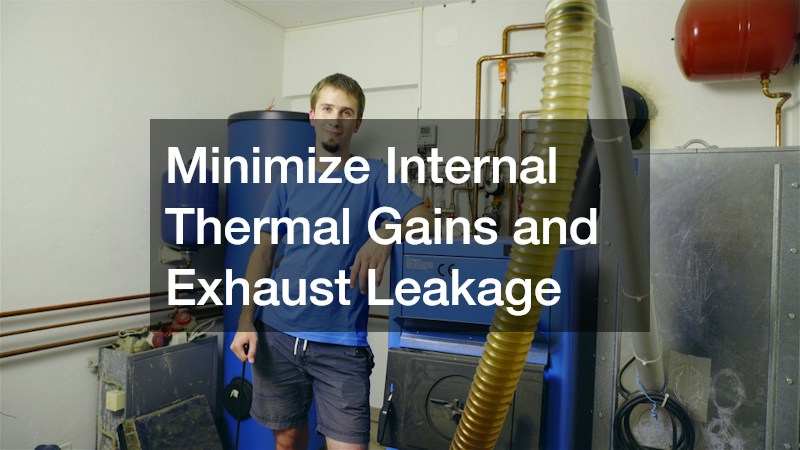
Household appliances consume significant electrical power, converting wasted energy into unwanted ambient heat. At the same time, poorly maintained exhaust venting creates unsealed pathways that allow conditioned air to escape outdoors.
- Refrigerator and Freezer Coil Maintenance: Dust and pet hair blanket condenser coils beneath refrigeration units, forcing compressors to run hotter and longer. Vacuuming coils semi-annually lowers compressor runtimes and reduces waste heat discharged into living areas.
- Clothes Dryer Venting and Backdraft Dampers: Flexible foil dryer ducts easily crush, restricting airflow and overheating laundry areas. Installing rigid metal ductwork with spring-loaded exterior backdraft dampers vents hot, humid air outside while stopping outdoor drafts from blowing back inside.
- Kitchen Range Hood Exhaust Integrity: Range hood exhaust systems frequently suffer from stuck or missing gravity flaps. Inspecting dampers ensures cooking steam and grease exit the house without letting outdoor air enter when the hood is switched off.
When household machines cycle erratically, leak coolant, or run excessively hot, simple homeowner cleaning may not address underlying mechanical issues. Scheduling dedicated appliance service ensures that condenser fans, heating elements, and door gaskets are evaluated and repaired by qualified technicians. This proactive care keeps appliances running efficiently and eliminates excess internal heat that strains cooling systems.
Achieving year-round indoor climate retention is an ongoing operational commitment rather than a one-time repair project. A home functions as a dynamic system where heating performance, thermal envelope integrity, moisture barriers, and appliance efficiency operate in continuous coordination. Neglecting one component, whether an unsealed attic hatch or a drafty perimeter door, creates cascading thermal losses that undermine the entire building envelope and drive up monthly energy expenses.
Establishing a disciplined maintenance calendar protects your property from thermal drift. In the spring, property owners should focus on the exterior envelope: inspecting roof flashings, sealing window frames, servicing cooling appliances, and verifying exhaust dampers. In autumn, attention shifts toward heat retention: auditing furnace combustion systems, bleeding hydronic lines, inspecting water heaters, and verifying garage door seals before freezing temperatures arrive.
By implementing this systematic, whole-house approach, property managers and homeowners preserve indoor climate stability, protect structural components from moisture damage, and extend the operating life of expensive mechanical equipment. The compounding returns of consistent maintenance are clear: lower utility bills, reduced environmental footprint, and steady, comfortable indoor living through every season.